On this page
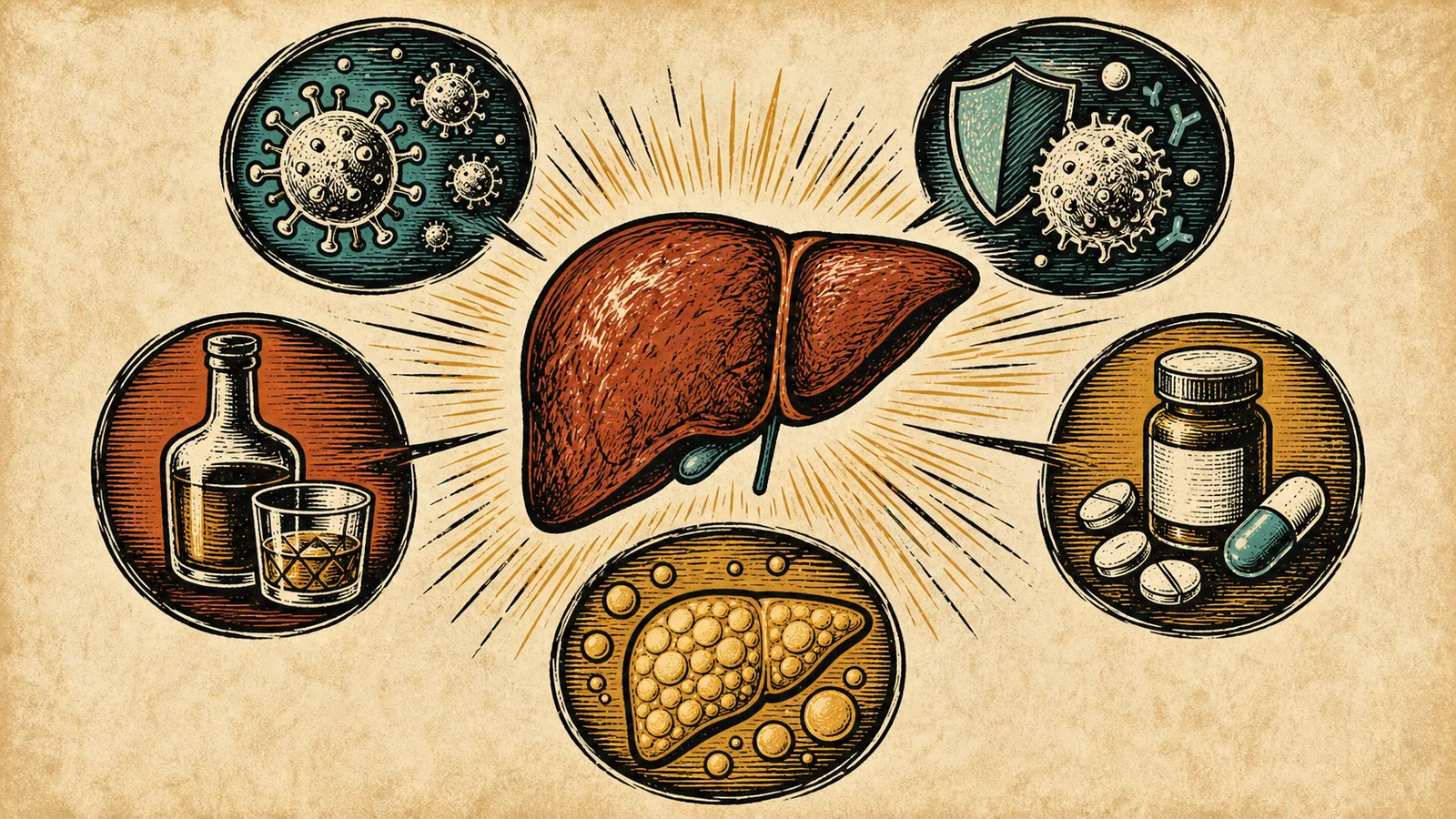
Hepatitis is inflammation of the liver. It is not a single disease but the way the liver responds to different injuries. That is why there are many possible causes: viruses, fatty liver, alcohol, medications and toxins, autoimmune disease, and some genetic conditions. Identifying the cause is what defines the prognosis and the treatment.
This page is a general guide to help you get your bearings. If you already know which type of hepatitis you have, you will find the link to the specific article below. And if you have just been told you have “high liver enzymes” or an “inflamed liver,” here you will see the most common causes and when it is worth seeing a doctor.
What does it mean for the liver to be inflamed?
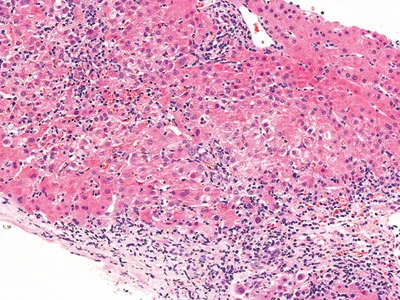
Inflammation is the body’s response to injury. When it affects the liver, the liver cells (hepatocytes) are damaged and release into the blood enzymes called aminotransferases or transaminases (ALT and AST). This is why hepatitis is often detected first on a blood test, before the person notices any symptoms.
The key point is that “hepatitis” describes a phenomenon, not an origin. Saying that someone has hepatitis is like saying they have a fever: you have to find out why.
What causes hepatitis?
The most common causes are:
- Viruses. The hepatitis A, B, C, D and E viruses have the liver as their main target. Hepatitis B and C can become chronic and are, worldwide, the most important cause of cirrhosis and liver cancer due to hepatitis.
- Metabolic fatty liver. This is now the most common liver disease. It is known as fatty liver and its current name is metabolic dysfunction-associated steatotic liver disease (MASLD). When it is accompanied by inflammation it is called steatohepatitis (MASH).
- Alcohol. Heavy drinking causes alcohol-related liver disease, which ranges from fatty liver to severe alcoholic hepatitis and cirrhosis.
- Medications and toxins. Almost any drug can harm the liver (drug-induced liver injury). Among the most frequently involved are acetaminophen (paracetamol) in overdose, some antibiotics such as amoxicillin-clavulanic acid, antituberculosis drugs and certain “natural” supplements. Some wild mushrooms do too.
- Autoimmune disease. In autoimmune hepatitis the immune system itself attacks the liver.
- Genetic and metabolic causes. Such as hemochromatosis (iron overload), among others.
Acute and chronic hepatitis
Depending on how long the injury lasts, hepatitis is divided into two broad groups:
- Acute: the inflammation appears and resolves within less than six months. A typical example is hepatitis A, which almost always clears on its own. In rare cases, acute hepatitis can be so severe that it causes liver failure (fulminant hepatitis or acute liver failure), an emergency that may require transplantation.
- Chronic: the injury persists for more than six months. This includes chronic hepatitis B and C, fatty liver and autoimmune hepatitis. The progressive scarring of these chronic forms is what, over the years, can lead to cirrhosis and liver cancer.
Many chronic hepatitis cases cause no symptoms
This is one of the points most worth understanding. Chronic hepatitis, especially B and C, is usually silent for years or even decades. The person feels well while the virus slowly damages the liver. By the time symptoms appear, cirrhosis is often already present.
For this reason, worldwide most people with hepatitis B or C do not know they have it. This invisible damage is why screening (looking for the infection with a blood test even when there are no symptoms) is so important. In adults it is recommended to be tested for hepatitis C and hepatitis B at least once in a lifetime.
What symptoms can hepatitis cause?
When there are symptoms, the most characteristic ones are:
- Jaundice: yellowing of the skin and of the whites of the eyes.
- Dark urine: urine the color of tea or cola.
- Fatigue, loss of appetite, nausea or discomfort in the right side of the abdomen.
These symptoms are more typical of acute hepatitis. In chronic forms, again, the usual pattern is to feel nothing for a long time.
When should you see a doctor?
See a doctor if you have:
- Yellowing of the skin or eyes, or persistent dark urine.
- Marked tiredness, nausea or right-sided abdominal pain that does not improve.
- A blood test showing elevated liver enzymes.
- Risk factors for hepatitis B or C, so you can request a screening test even if you feel well.
Seek emergency care if jaundice is accompanied by drowsiness, confusion or disorientation, or by easy bleeding from the gums or nose. These can be signs of acute liver failure.
Can hepatitis be treated?
Yes, and the treatment depends entirely on the cause:
- Hepatitis C is cured in more than 95% of cases with oral antivirals, in short and well-tolerated courses.
- Chronic hepatitis B is controlled with antivirals such as entecavir or tenofovir, taken long term.
- Fatty liver improves mainly with lifestyle changes and control of diabetes and weight.
- Alcohol-related disease improves when drinking stops.
- Autoimmune hepatitis responds to medications that modulate the immune system.
In every case, the earlier the cause is identified, the better the outcome. Established advanced cirrhosis may require a liver transplant, one of whose main indication is, precisely, the consequences of chronic hepatitis.
See also
References
- Cui F, et al. Global reporting of progress towards elimination of hepatitis B and hepatitis C. Lancet Gastroenterol Hepatol. 2023;8(4):332-342.
- GBD 2019 Hepatitis B Collaborators. Global, regional, and national burden of hepatitis B, 1990-2019: a systematic analysis for the Global Burden of Disease Study 2019. Lancet Gastroenterol Hepatol. 2022;7(9):796-829.
- Maiwall R, et al. Acute liver failure. Lancet. 2024;404(10454):789-802.
- Rinella ME, et al. A multisociety Delphi consensus statement on new fatty liver disease nomenclature. Hepatology. 2023;78(6):1966-1986.
- Hosack T, et al. Drug-induced liver injury: a comprehensive review. Therap Adv Gastroenterol. 2023;16:17562848231163410.
Related articles
Hepatitis D testing: who should be tested
Hepatitis D affects only people with hepatitis B and can accelerate cirrhosis. Learn who should be tested and how active infection is confirmed.

After hepatitis C cure: follow-up and care
Curing hepatitis C removes the virus, but some patients still need follow-up. Learn when to repeat tests and continue long-term liver surveillance.

Hepatitis B and pregnancy
Hepatitis B can pass to a baby during birth, but transmission is usually preventable with maternal care, vaccination and immunoglobulin at birth.