On this page
Choluria is dark urine, the color of strong tea or cola, that appears when bilirubin is passed in the urine. It is not a disease in itself, but a sign that something may be wrong with the liver or the bile ducts. So even though the cause is often harmless, it is worth having it checked.
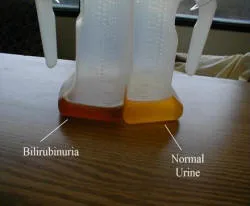
Bilirubin is a yellow pigment formed when the body recycles red blood cells. The liver processes it (it “conjugates” it) and excretes it in the bile into the intestine. When the liver is inflamed or the bile duct is blocked, conjugated bilirubin builds up in the blood, and the kidney filters it into the urine, which turns dark. Choluria can appear even before jaundice, the yellow tint of the skin and eyes, and usually accompanies it.
What is choluria?
It is the darkening of the urine due to the presence of bilirubin. Normal urine is pale yellow; in choluria it turns brown, dark amber or reddish, and often the foam is also yellow when the urine is shaken. It is a useful clue because urine darkens from conjugated bilirubin, which is water-soluble and can therefore be cleared by the kidney. Unconjugated bilirubin, by contrast, does not pass into the urine.
Why does it happen?
Choluria reflects an excess of conjugated bilirubin in the blood. Broadly, this happens through two mechanisms:
- Damage to liver cells, which stop handling bilirubin properly (hepatitis).
- Blockage of the bile duct, when bile cannot leave the liver for the intestine.
Among the most common causes are:
- Acute hepatitis, whether viral (such as hepatitis A, B or C), drug-induced, toxic or autoimmune. Choluria can be one of the first signs, together with fatigue, nausea and loss of appetite.
- Biliary obstruction from stones in the bile duct (choledocholithiasis), inflammation, or tumors such as pancreatic cancer and cholangiocarcinoma. It is usually accompanied by jaundice, itching (pruritus) and, at times, pale stools.
- Advanced chronic liver disease, such as cirrhosis, when the damaged liver can no longer process bilirubin well.
Not everything that darkens urine is choluria
Several situations change the color of urine without any bilirubin being present. Telling them apart avoids needless alarm:
- Dehydration. This is the most common cause of concentrated, dark yellow urine. It clears when you drink water and is not accompanied by jaundice.
- Foods. Beets, blackberries and some food dyes can give a reddish or pinkish tone.
- Medications and vitamins. Rifampin, nitrofurantoin, some laxatives, B-complex vitamins and other drugs can tint the urine orange, brown or bright yellow.
- Blood in the urine (hematuria). This gives a reddish or pinkish color, rather than brown. It may point to a urinary tract infection, kidney stones or kidney disease, and is worked up differently. When in doubt, a simple urine test distinguishes blood from bilirubin.
How is it evaluated?
Faced with persistent dark urine, the doctor starts with the medical history and physical examination, then orders targeted tests:
- Urinalysis, which confirms whether bilirubin or blood is present.
- Blood liver tests: total and fractionated bilirubin, liver enzymes, alkaline phosphatase and GGT. The pattern of these tests indicates whether the problem lies in the liver or in the bile duct.
- Abdominal ultrasound as the first imaging study. If obstruction is suspected, magnetic resonance cholangiopancreatography (MRCP) or other studies may follow.
When to see a doctor
Choluria always warrants medical evaluation, especially when it is not explained by dehydration or by something you ate or drank. See a doctor promptly if the dark urine is accompanied by:
- Yellowing of the skin or eyes (jaundice).
- Abdominal pain, fever or vomiting.
- Generalized itching or very pale stools.
- Marked fatigue, urine that does not clear with hydration, or a history of liver disease.
Finding the cause early, especially hepatitis or a biliary obstruction, makes it possible to treat it before complications appear.
See also
References
- Nelson M, Mulani SR, Saguil A. Evaluation of Jaundice in Adults. Am Fam Physician. 2025;111(1):25-30.
- Sullivan JI, Rockey DC. Diagnosis and evaluation of hyperbilirubinemia. Curr Opin Gastroenterol. 2017;33(3):164-170.
- Manes G, et al. Endoscopic management of common bile duct stones: European Society of Gastrointestinal Endoscopy (ESGE) guideline. Endoscopy. 2019;51(5):472-491.
- Abutaleb A, Kottilil S. Hepatitis A: Epidemiology, Natural History, Unusual Clinical Manifestations, and Prevention. Gastroenterol Clin North Am. 2020;49(2):191-199.
Related articles
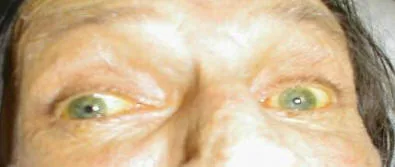
Jaundice: why the skin and eyes turn yellow
Jaundice is the yellow color of the skin and eyes from high bilirubin. Causes, signs like dark urine and pale stools, and when to seek urgent care.
Hepatic encephalopathy
Hepatic encephalopathy is a decline in brain function from toxins a diseased liver fails to clear. How to recognize it, what triggers it and how it is treated.
Itching (pruritus) in liver disease
Itching, or pruritus, is a common and sometimes intolerable symptom of cholestatic liver diseases. Why it happens and how it is treated step by step.