On this page
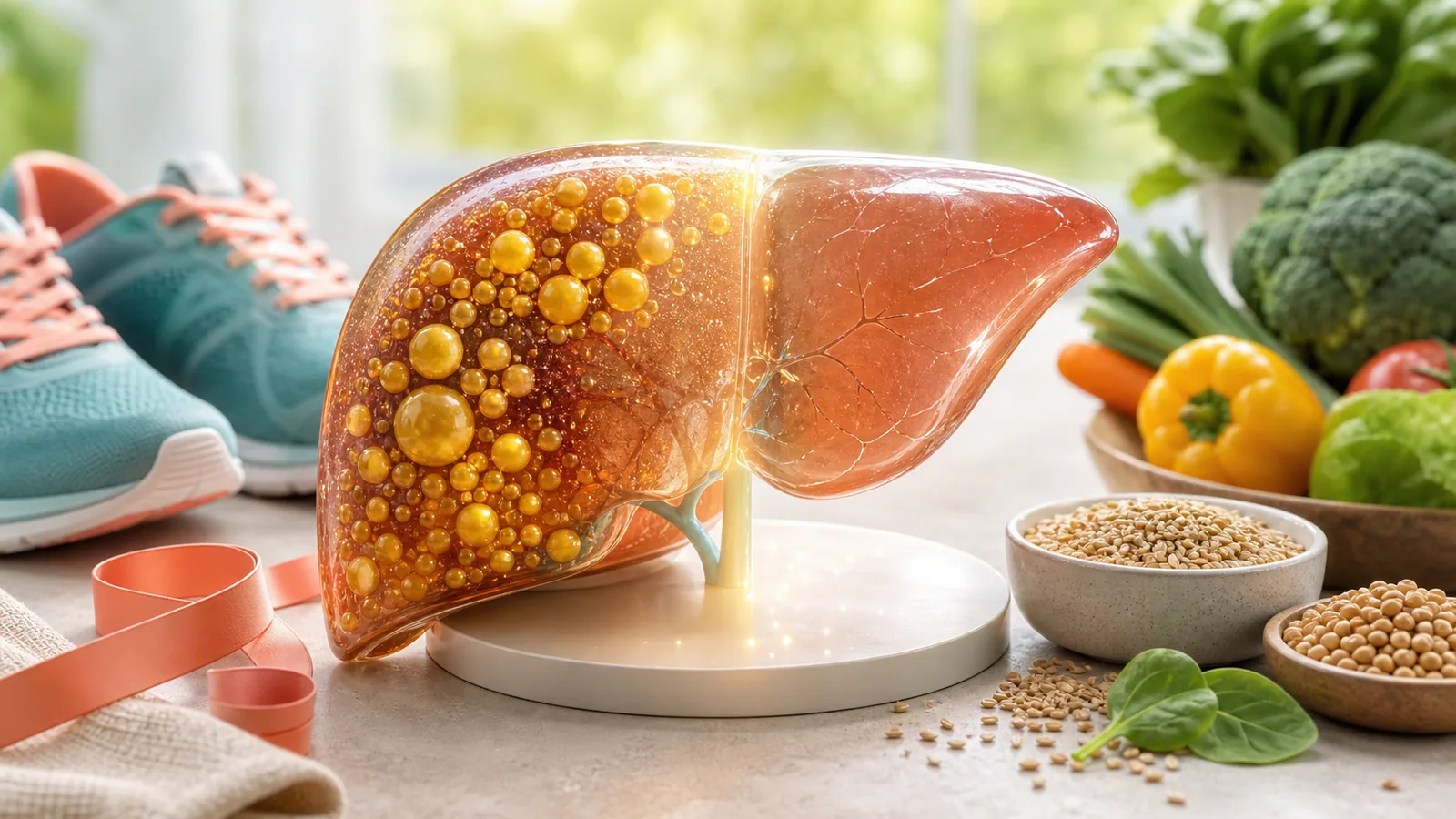
Fatty liver is the buildup of fat inside liver cells. It is the most common liver disease in Chile and worldwide, and in most people it is harmless. In some cases, however, the fat is accompanied by inflammation and, over the years, can lead to fibrosis and cirrhosis. The good news is that it can be detected early and, above all, improved with changes in daily habits.
A new name: from “non-alcoholic fatty liver” to MASLD
For years this condition was called “non-alcoholic fatty liver disease” (NAFLD). In 2023 an international consensus of liver societies changed the name to metabolic dysfunction-associated steatotic liver disease, abbreviated MASLD. The change has two goals: to better describe the metabolic origin of the disease and to avoid terms that patients found confusing or stigmatizing.
In practice, if you were told you have “fatty liver,” “hepatic steatosis,” “non-alcoholic fatty liver” or “MASLD,” they all mean the same thing. These terms are worth knowing:
- Hepatic steatosis: fat accumulation in the liver. A synonym of fatty liver.
- MASLD: fatty liver together with at least one cardiometabolic risk factor (excess weight, diabetes or prediabetes, high blood pressure, elevated cholesterol or triglycerides). This is the most common situation.
- MASH (formerly NASH): when, in addition to fat, there is inflammation and damage to liver cells. This is the form that can progress.
- MetALD: metabolic fatty liver in a person who also drinks a meaningful amount of alcohol.
Why does it happen?
Fatty liver is closely tied to how the body handles sugar and fat. The central mechanism is insulin resistance, which promotes the deposit of fat in the liver. That is why it often appears alongside:
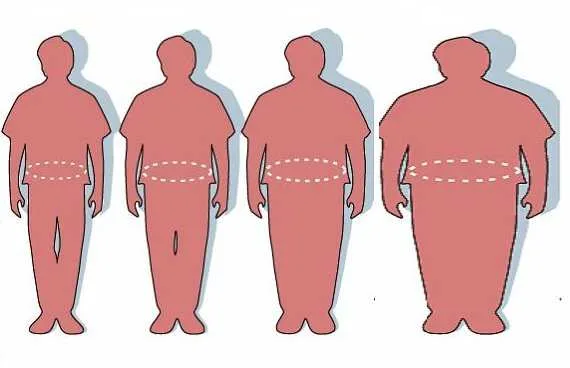
- Overweight and obesity, especially abdominal fat.
- Type 2 diabetes or prediabetes.
- High cholesterol or triglycerides.
- High blood pressure.
It is increasingly common, however, to find fatty liver in lean people or in those without these factors, so their absence does not rule out the diagnosis.
How common is it?
Very common. About one in four people worldwide is estimated to have fatty liver, and figures in Chile are similar, in line with the high prevalence of obesity and diabetes. Most will never develop serious complications, but because it is so common, fatty liver is already one of the leading causes of chronic liver disease and liver cancer.
Does it cause symptoms?
Usually not. Fatty liver is typically an incidental finding, discovered in two ways:
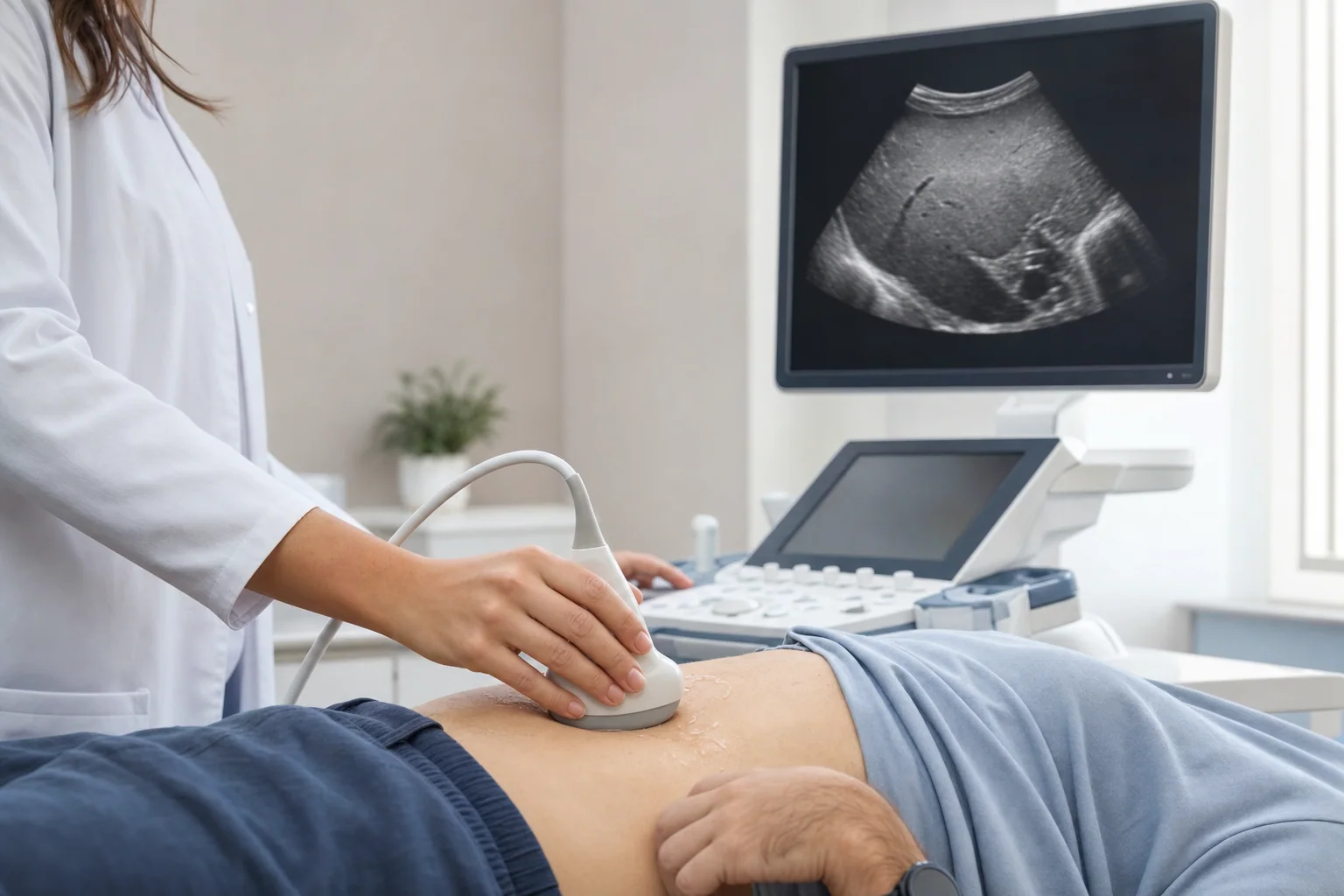
- On an abdominal ultrasound ordered for any reason, showing a “bright” liver.
- Through mildly elevated liver enzymes on a routine blood test.
Some people notice mild discomfort in the right side of the abdomen. Symptoms of advanced liver disease, such as jaundice, ascites or encephalopathy, appear only once cirrhosis is present and are the exception.
How is it evaluated?
The key is not only to confirm that there is fat, but to estimate how much fibrosis (scarring) the liver has, because that defines the prognosis. Today this is largely done without needing to sample the liver:
- Blood indices such as FIB-4, which combine age, liver enzymes and platelets.
- Elastography (for example FibroScan), which measures liver stiffness.
A liver biopsy is reserved for cases where doubt persists or another cause is suspected. When liver enzymes are elevated, it is also worth ruling out other conditions such as hepatitis B, hepatitis C, hemochromatosis and autoimmune hepatitis.
Treatment
The foundation of treatment is lifestyle change, which can reverse the fat and even improve fibrosis:
- Weight loss. A reduction of 7 to 10% of body weight produces clear benefits for the liver.
- Diet lower in sugar, refined flour and sugary drinks. The Mediterranean pattern has the strongest support.
- Regular physical activity, even without much weight loss.
- Avoiding alcohol and unnecessary medications.
- Controlling diabetes, cholesterol and blood pressure, because the leading cause of death in these patients is cardiovascular.
For people with MASH and significant fibrosis, in 2024 the first specific medication, resmetirom, was approved in the United States; in a phase 3 trial it improved liver inflammation and fibrosis. Other drugs used for diabetes and obesity (such as GLP-1 agonists) also show promising results. Availability of these therapies is still limited in Chile, and treatment should always be prescribed by your physician.
What is the prognosis?
Reassuring for most people. The majority of those with fatty liver will not develop serious liver disease. Risk is concentrated in those who have inflammation and fibrosis, and it is precisely in them that timely diagnosis and treatment make the greatest difference.
See also
References
- Rinella ME, et al. A multisociety Delphi consensus statement on new fatty liver disease nomenclature. J Hepatol. 2023;79(6):1542-1556.
- Rinella ME, et al. AASLD Practice Guidance on the clinical assessment and management of nonalcoholic fatty liver disease. Hepatology. 2023;77(5):1797-1835.
- Harrison SA, et al. A Phase 3, Randomized, Controlled Trial of Resmetirom in NASH with Liver Fibrosis. N Engl J Med. 2024;390(6):497-509.
- Younossi Z, et al. Global Perspectives on Nonalcoholic Fatty Liver Disease and Nonalcoholic Steatohepatitis. Hepatology. 2019;69(6):2672-2682.
Related articles

Semaglutide and fatty liver: what we know
Semaglutide (Ozempic, Rybelsus) may improve MASH in selected patients, but it does not replace fibrosis assessment. Learn about its benefits, limitations and risks.
Fatty liver on ultrasound: what it means and what to do
Fatty liver on ultrasound is common and usually treatable. Learn which tests you may need and how doctors assess the risk of liver fibrosis.
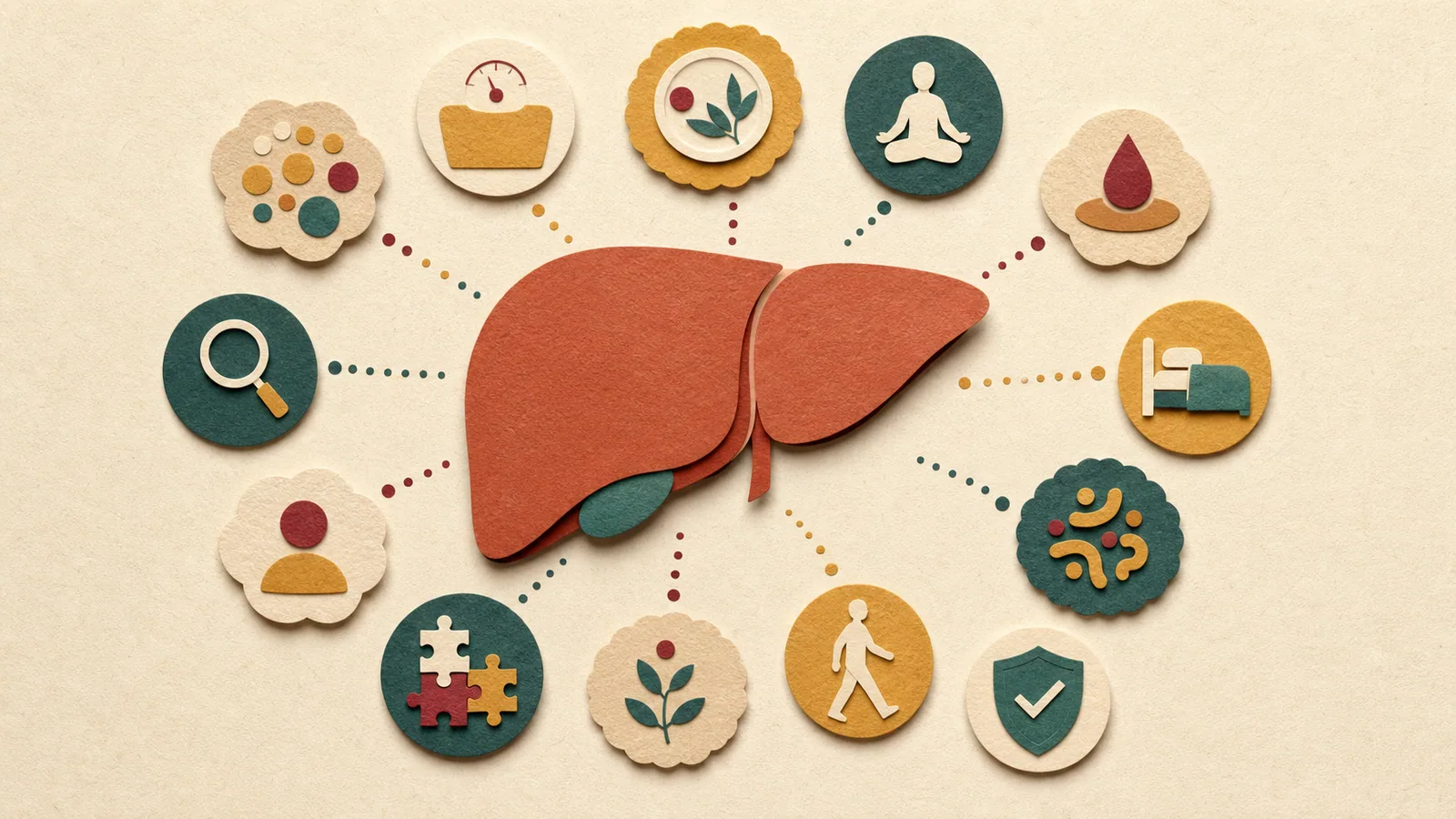
12 questions about fatty liver (MASLD)
Is fatty liver serious? Can it be cured? What diet should you follow? Clear answers to the 12 most common questions about fatty liver (MASLD).