




Viral hepatitis
Hepatitis C
Hepatitis C is now a curable disease. Oral antiviral pills taken for 8 to 12 weeks clear the virus in more than 95% of people. What it is, how it spreads and how it is treated.
Trustworthy medical information
Trustworthy medical information about hepatitis, cirrhosis, fatty liver and other liver diseases, written and reviewed by Dr. Alejandro Soza, hepatologist in Santiago, Chile.
Browse by clinical area.
Hepatitis A, B, C, D and E: how they spread, what symptoms they cause and their current treatments.
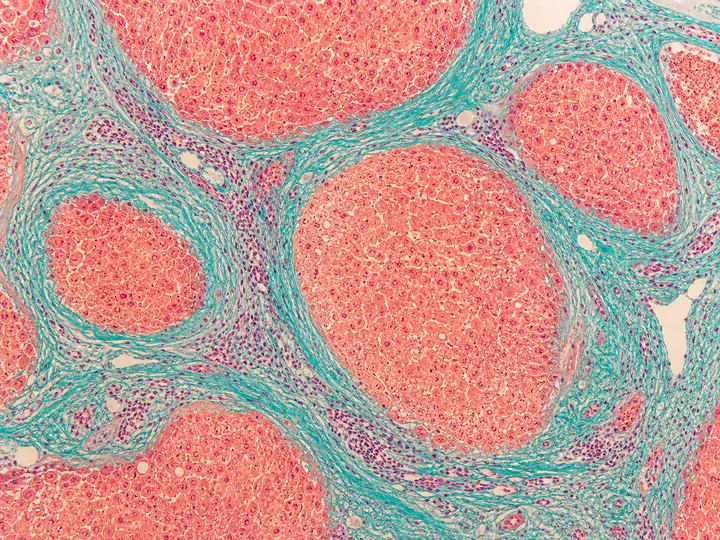
Causes, complications and treatment of advanced chronic liver damage.
Steatotic liver disease (MASLD): the most common cause of liver damage in Chile.
What transaminases, bilirubin, GGT and other liver tests mean.
Jaundice, dark urine, ascites, itching and other signs of liver disease.
Benign and malignant tumors of the liver and bile ducts.
Autoimmune hepatitis, primary biliary cholangitis and primary sclerosing cholangitis.
Hemochromatosis, Gilbert syndrome and polycystic liver disease.
Liver damage from alcohol, acetaminophen, mushrooms and other substances.
When a liver transplant is needed and what the process involves.
Studies and clinical trials on liver diseases.
Hepatitis C is now a curable disease. Oral antiviral pills taken for 8 to 12 weeks clear the virus in more than 95% of people. What it is, how it spreads and how it is treated.

Fatty liver, now called metabolic dysfunction-associated steatotic liver disease (MASLD), is the most common liver disease. What it is, how it is diagnosed and how it is treated.
Cirrhosis is advanced scarring of the liver. What causes it today, how it is detected, its complications, and why treating the cause can halt or even reverse the damage.
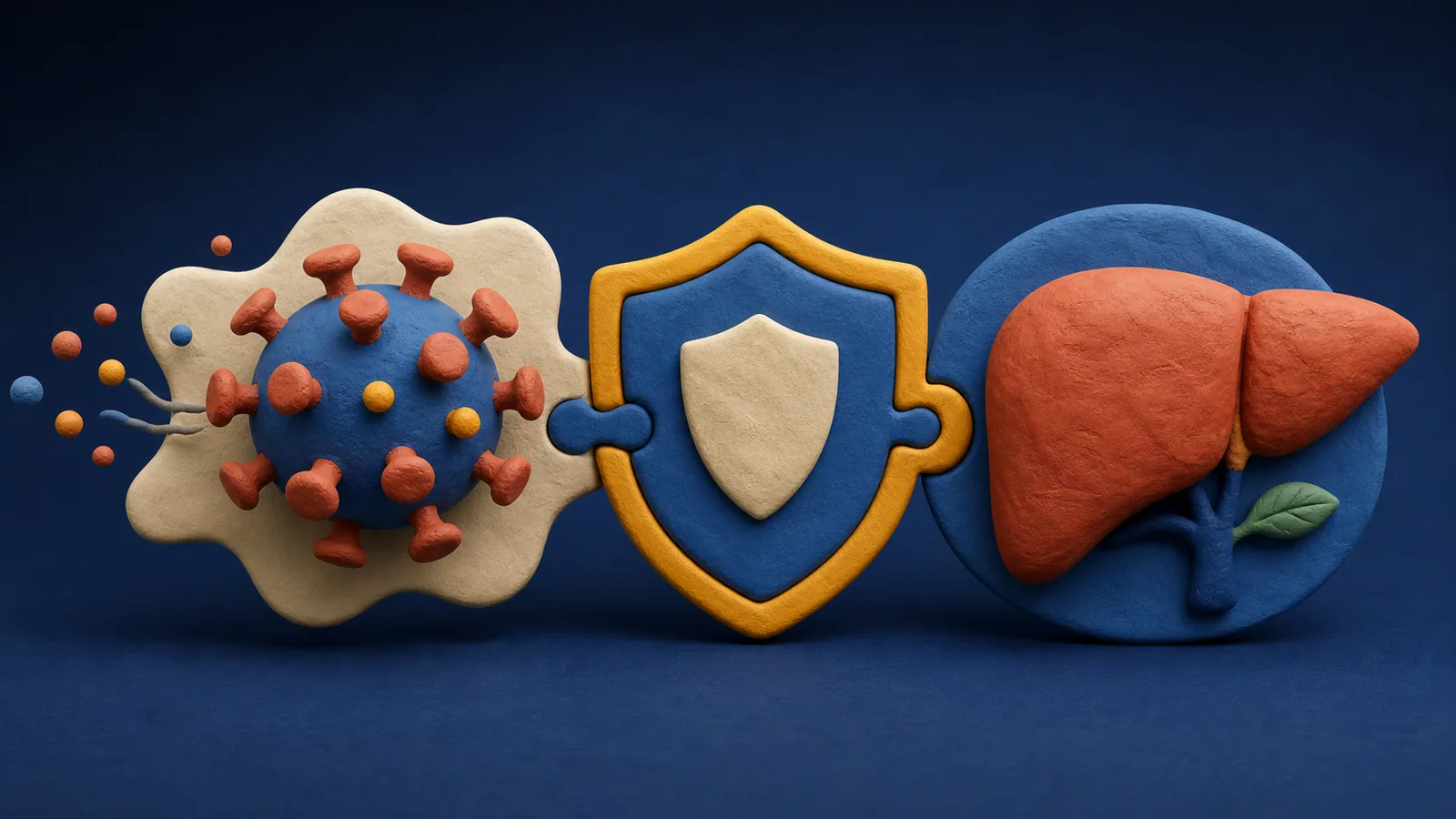
What hepatitis B is, how it spreads, why the vaccine prevents it, and how chronic infection is treated with oral antivirals. A guide for patients.
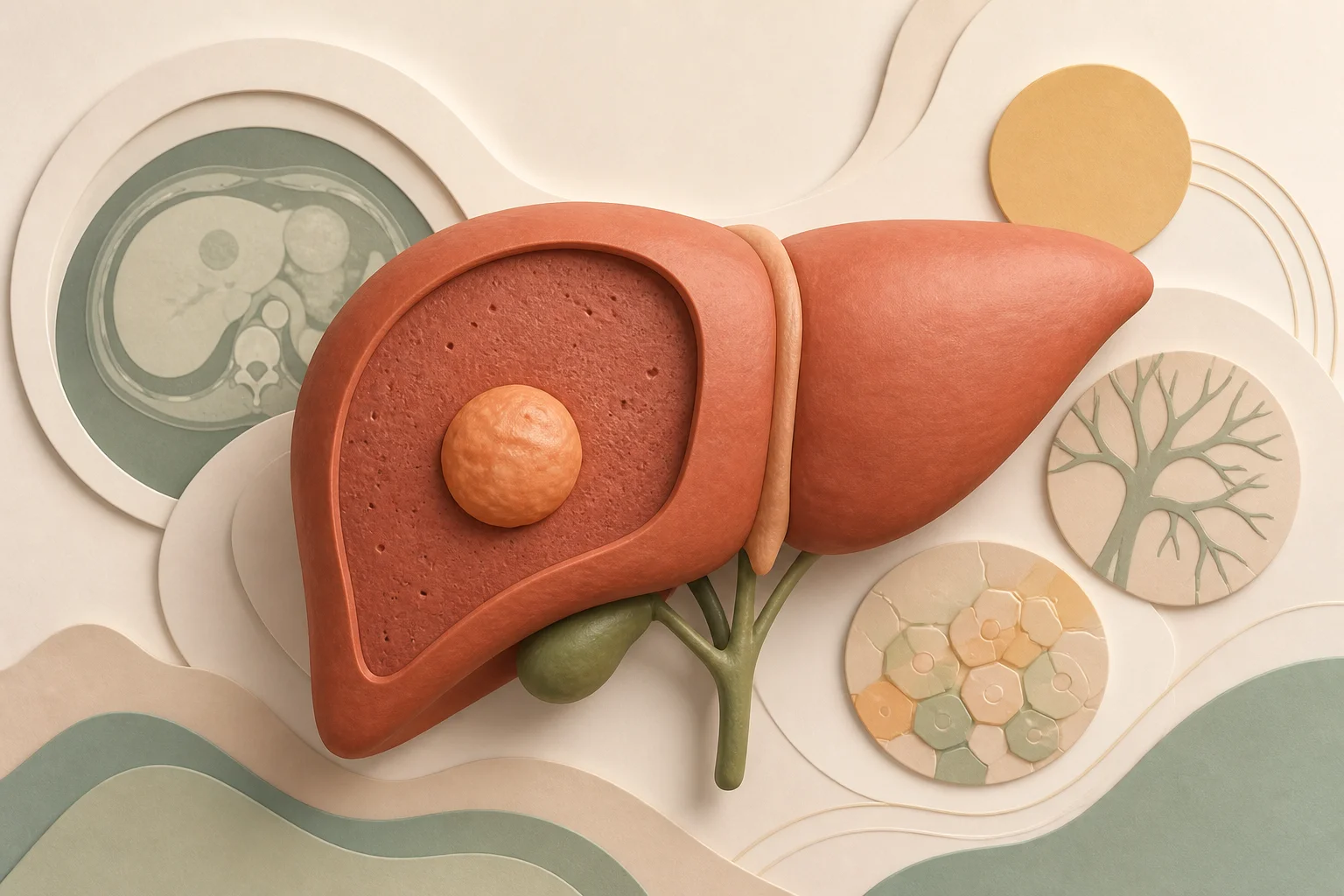
A hepatocellular adenoma is benign, but some may bleed or grow. Learn how hormones, obesity, pregnancy and tumor size affect treatment and follow-up.

A practical guide to the first months after a liver transplant: follow-up, immunosuppressants, safe recovery, infection prevention and warning signs.

After the first year of a liver transplant, medication, preventive care and sustainable daily habits protect both the transplanted liver and overall health.
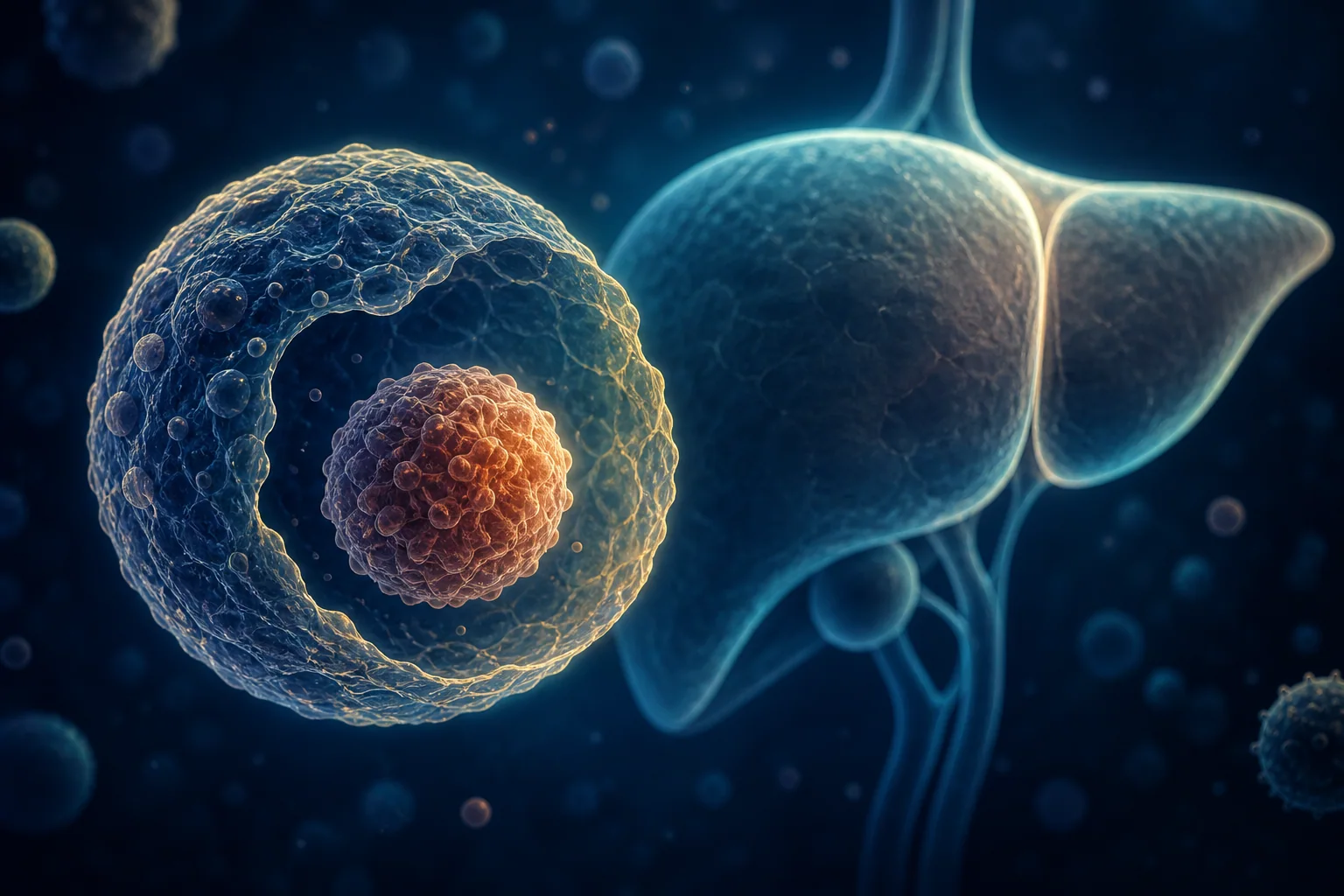
Hepatitis D affects only people with hepatitis B and can accelerate cirrhosis. Learn who should be tested and how active infection is confirmed.
Compensated cirrhosis can remain stable for years. Learn which regular follow-up checks help prevent decompensation and detect liver cancer early.

Herbal supplements, weight-loss products and sports preparations can injure the liver. Learn the warning signs and what to do if you suspect a reaction.