Lab tests
Elevated liver enzymes: causes and evaluation
Elevated liver enzymes are common and do not always mean serious damage. Learn about their causes, diagnostic tests and signs requiring prompt care.
What transaminases, bilirubin, GGT and other liver tests mean.
Elevated liver enzymes are common and do not always mean serious damage. Learn about their causes, diagnostic tests and signs requiring prompt care.
HBsAg, anti-HBs and anti-HBc distinguish hepatitis B infection, immunity and vaccination. Learn what the most common blood test patterns mean.
FIB-4 and FibroScan estimate liver fibrosis without a biopsy. Learn what each test measures, how results are used and when specialist care is needed.
High bilirubin can be due to hemolysis, Gilbert syndrome, bile duct obstruction or liver disease. How to interpret this test based on its pattern.
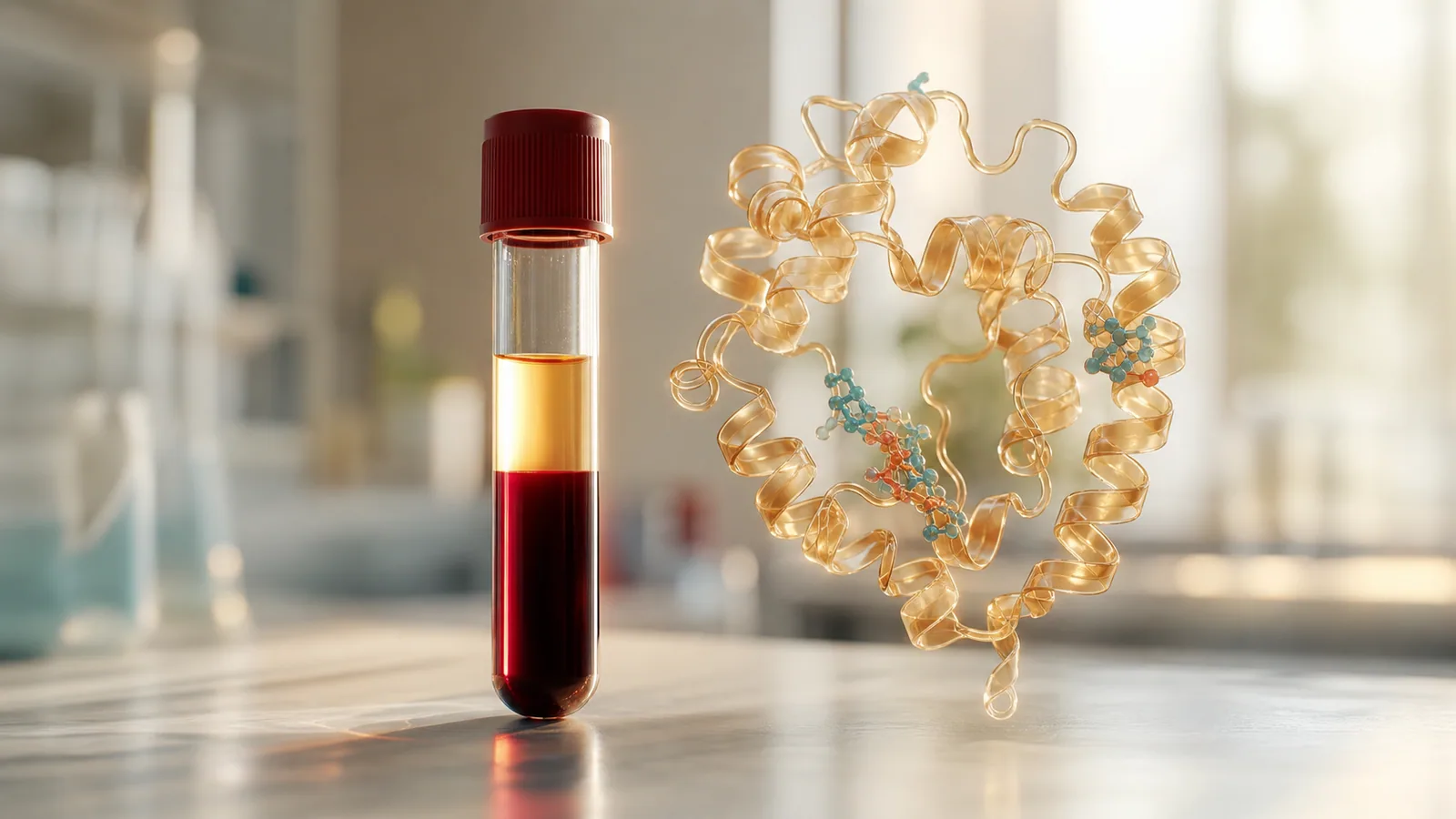
Albumin is a protein made by the liver. Here is what this blood test measures, why albumin drops in cirrhosis and what other causes it can have.

Prothrombin time and INR measure blood clotting and reflect liver function. Why they change in liver disease and what their values mean.

High alkaline phosphatase usually reflects a problem of the liver or bile ducts (cholestasis), but also of bone. What it means and how it is evaluated.
GGT is an enzyme that rises with cholestasis, alcohol and certain drugs. What a high GGT means and when it is actually worth worrying about.
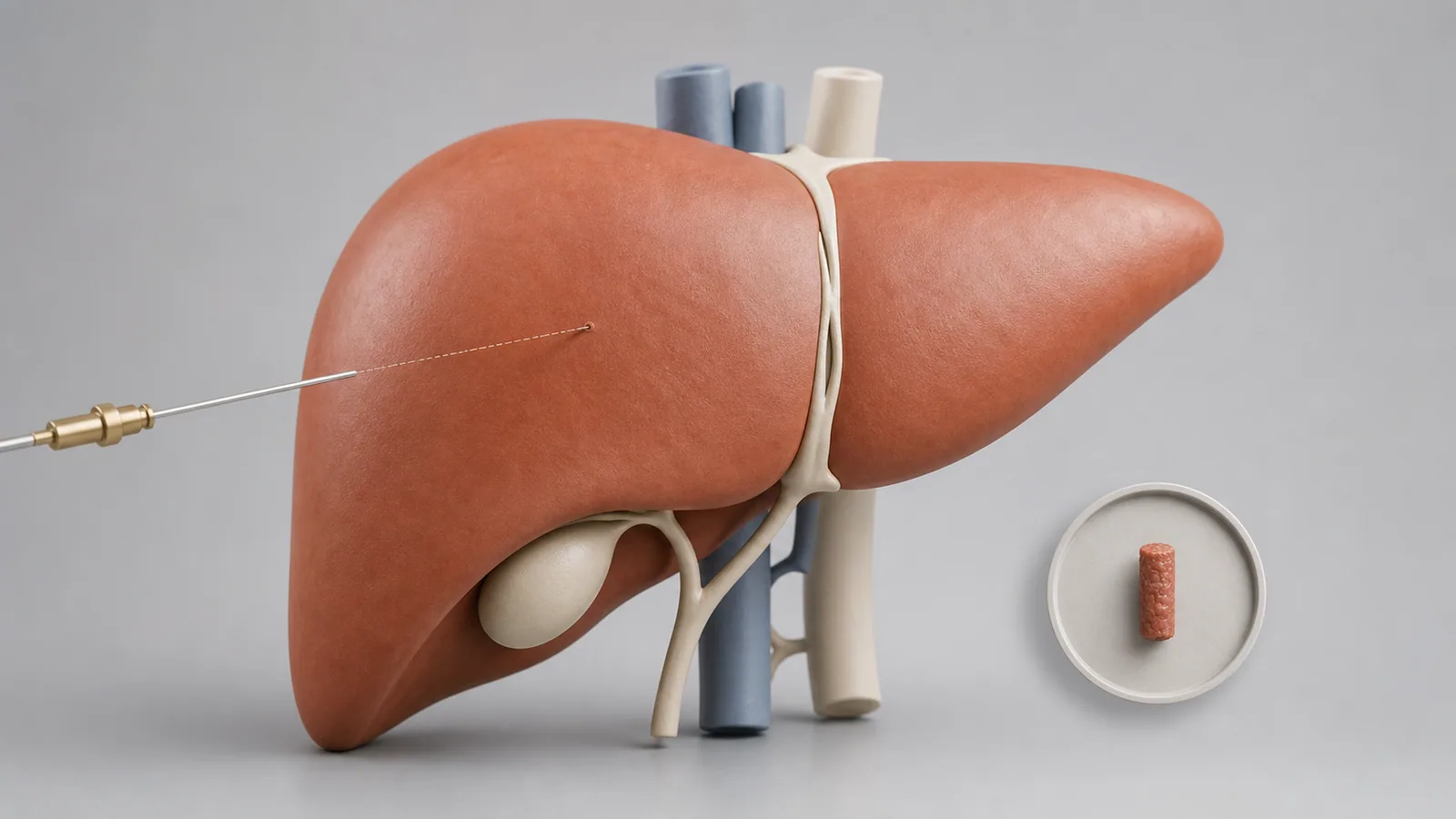
A liver biopsy takes a small sample of the liver to assess damage and fibrosis. It is used less often today because noninvasive tests can estimate it without a needle.

Liver enzymes or aminotransferases ALT and AST: what they are, why they rise, their ranges and patterns, and what to do if your blood test shows them high.