On this page
Cirrhosis is the result of years of liver damage that gradually replaces healthy tissue with scarring (fibrosis). It almost always has a specific cause, and finding it is the most important part of the evaluation. The reason is simple: if the cause is identified and treated in time, the damage can be halted and, in the early stages, even partly reversed.
This article reviews the causes of cirrhosis ranked by how common they are today. The picture has shifted in recent years: metabolic fatty liver disease is rising rapidly and is already the leading cause in many countries, while viral hepatitis is receding thanks to vaccination and antiviral drugs. If you are instead looking for what cirrhosis is, its symptoms and its treatment, you will find that in the article on cirrhosis.
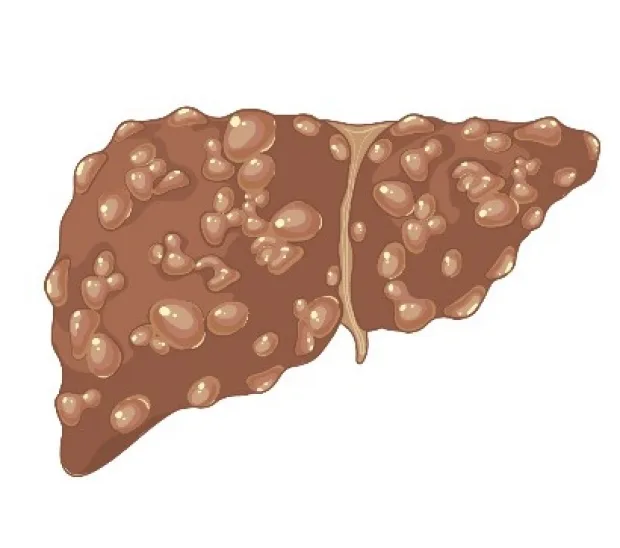
Why does finding the cause matter?
The liver has a remarkable capacity to repair itself. When the source of damage is removed or controlled, inflammation often settles and fibrosis can stabilize or decrease, especially when cirrhosis is not yet advanced. Concrete examples: curing hepatitis C, suppressing hepatitis B, stopping alcohol, or losing weight in fatty liver can change the course of the disease. That is why the workup of cirrhosis always includes a systematic search for every possible cause, and there is often more than one at the same time.
Metabolic fatty liver disease (MASLD)
Fatty liver associated with metabolic dysfunction is now the most common liver disease and one of the leading causes of cirrhosis worldwide. In 2023 an international consensus changed the name from “non-alcoholic fatty liver disease” (NAFLD) to metabolic dysfunction-associated steatotic liver disease (MASLD), and calls MASH the form with inflammation that can progress to fibrosis and cirrhosis.
Its rise tracks the increase in obesity, type 2 diabetes and metabolic syndrome, all highly prevalent in Chile. Unlike viral hepatitis, this cause keeps growing, and in several countries it is now the leading one. The foundation of treatment is weight loss and control of diabetes, cholesterol and blood pressure. For people with MASH and significant fibrosis, in 2024 the first specific drug, resmetirom, was approved in the United States, although its availability in elsewhere is still limited.
Alcohol
Excessive, long-standing alcohol use is one of the most frequent causes of cirrhosis in Chile and worldwide. The liver metabolizes alcohol and, in doing so, produces toxic substances such as acetaldehyde that inflame and damage its cells. Over the years, that repeated injury leads to fibrosis and cirrhosis.
Not everyone who drinks heavily develops cirrhosis, and the risk depends on the amount, the frequency, genetic factors, nutritional status, and the presence of other causes such as metabolic fatty liver. There is no amount of alcohol that benefits the liver. The most effective measure is abstinence: stopping drinking can halt progression and even improve liver function, and it is a requirement to be considered for a liver transplant when the disease is advanced.
Hepatitis C and hepatitis B
Chronic viral hepatitis was for decades the leading cause of cirrhosis worldwide, and it remains so in many regions, although its share is declining.
- Hepatitis C: transmitted through contact with infected blood. It can stay silent for years while producing fibrosis. It is now cured in the great majority of cases with direct-acting antivirals over 8 to 12 weeks, which prevents progression to cirrhosis and lowers the risk of liver cancer. Testing at least once in a lifetime is recommended.
- Hepatitis B: transmitted through blood, sexual contact and from mother to child at birth. Antiviral treatment with analogues such as entecavir or tenofovir does not always cure the infection, but it controls it and prevents progression to cirrhosis. The vaccine is the best prevention tool and also protects against hepatitis D, which only affects people who already have hepatitis B and worsens liver damage.
Autoimmune hepatitis
Autoimmune hepatitis is inflammation of the liver caused by the immune system attacking its own cells. It affects women in particular and can appear at any age. Untreated, it can progress to cirrhosis, but it responds well to drugs that modulate the immune response, such as corticosteroids and azathioprine. Timely diagnosis and treatment are key to preventing advanced damage.
Primary biliary cholangitis
Primary biliary cholangitis (formerly called primary biliary cirrhosis) is an autoimmune disease that slowly destroys the small bile ducts inside the liver. Bile builds up and damages the tissue, which can lead to cirrhosis. It mainly affects middle-aged women. Ursodeoxycholic acid is the first-line treatment and, when started early, improves the prognosis and can prevent progression.
Primary sclerosing cholangitis
Primary sclerosing cholangitis is chronic inflammation that narrows and scars the bile ducts inside and outside the liver. It affects men more often and is usually associated with inflammatory bowel disease, such as ulcerative colitis. It can progress to cirrhosis and raises the risk of bile duct cancer, so it requires follow-up with a specialist.
Genetic and storage diseases
A group of inherited diseases causes cirrhosis by the buildup of substances the liver cannot handle well. They are less common but important, because they are treatable and often affect relatives:
- Hemochromatosis: an inherited disorder that causes iron to accumulate in the liver and other organs. Diagnosed in time, it is treated with phlebotomy (blood removal) that clears the excess iron and prevents cirrhosis.
- Wilson disease: a genetic disorder that prevents the elimination of copper, which deposits in the liver and brain. Treatment with copper-chelating drugs prevents damage when started early.
- Alpha-1 antitrypsin deficiency: an inherited disease that can damage the liver and the lungs. Diagnosis allows proper follow-up and timely treatment decisions.
Other causes
Less frequently, cirrhosis can result from prolonged obstruction of the bile ducts, from certain heart conditions that congest the liver (such as heart failure), from severe drug reactions, or from long-term exposure to toxins. In a minority of cases no cause is found despite a complete workup; this is called cryptogenic cirrhosis, and many of these turn out to be a previously unrecognized metabolic fatty liver.
The core message
Behind almost every cirrhosis there is a cause that can be identified and, in many cases, treated. Finding it in time makes it possible to stop the damage and, in the early stages, recover part of the liver’s function. If you have been diagnosed with cirrhosis or chronic liver disease, the most important step is to work out the cause with your doctor and act on it as soon as possible.
See also
References
- Ginès P, et al. Liver cirrhosis. Lancet. 2021;398(10308):1359-1376.
- GBD 2017 Cirrhosis Collaborators. The global, regional, and national burden of cirrhosis by cause in 195 countries and territories, 1990-2017. Lancet Gastroenterol Hepatol. 2020;5(3):245-266.
- Wu XN, et al. Global burden of liver cirrhosis and other chronic liver diseases caused by specific etiologies from 1990 to 2019. BMC Public Health. 2024;24(1):363.
- Rinella ME, et al. A multisociety Delphi consensus statement on new fatty liver disease nomenclature. J Hepatol. 2023;79(6):1542-1556.
- EASL-EASD-EASO Clinical Practice Guidelines on the management of metabolic dysfunction-associated steatotic liver disease (MASLD). J Hepatol. 2024;81(3):492-542.
Related articles
Compensated cirrhosis: follow-up and care
Compensated cirrhosis can remain stable for years. Learn which regular follow-up checks help prevent decompensation and detect liver cancer early.

How to choose a good hepatologist in Chile
Verifiable criteria for choosing a hepatologist in Chile: professional registration, training, relevant experience, clinical network, communication and follow-up.
Hepatology: what it is and what a hepatologist does
Hepatology is the branch of medicine that studies the liver and bile ducts. What a hepatologist does and when you should see one.