On this page
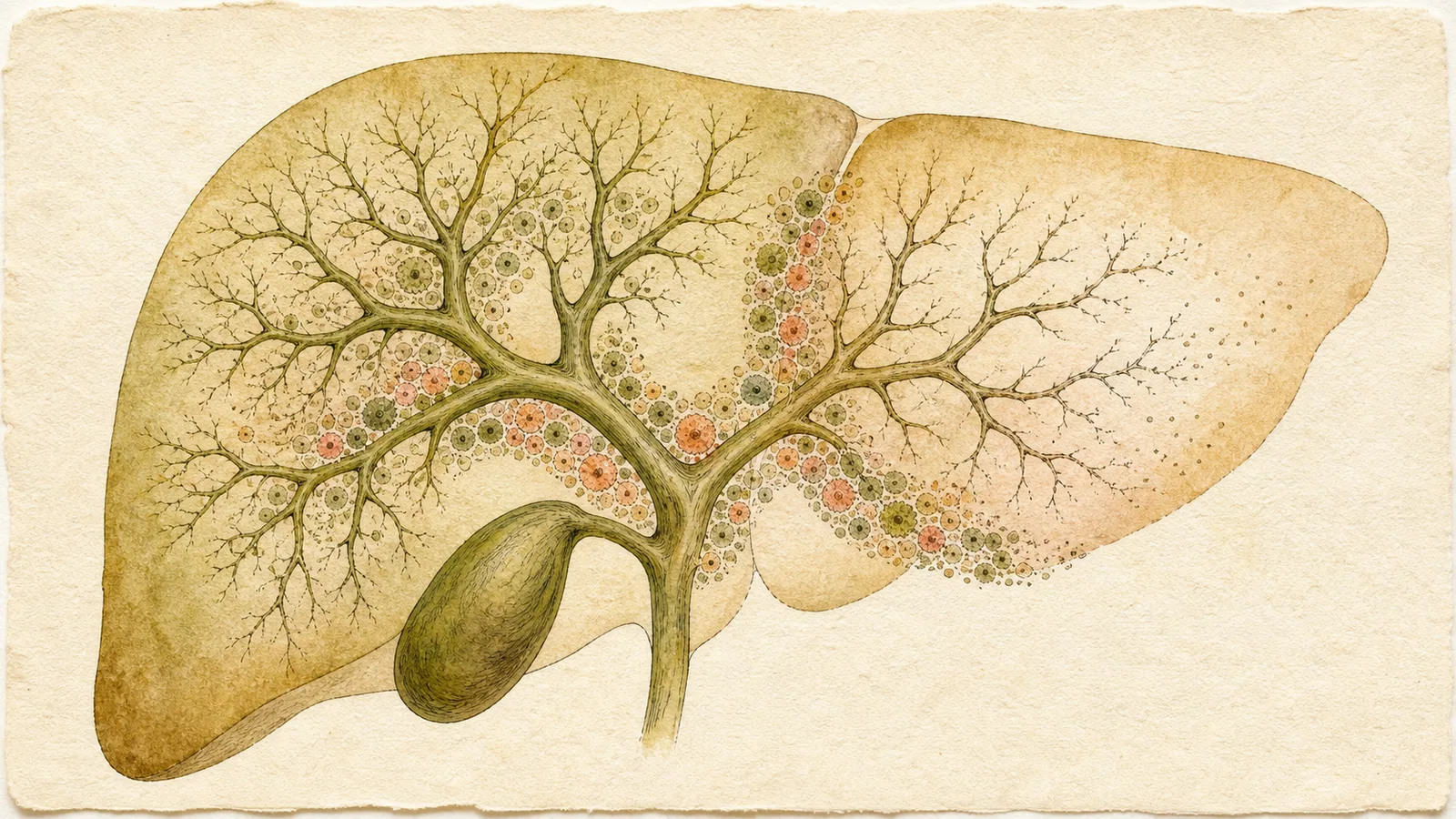
Primary biliary cholangitis (PBC) is an autoimmune liver disease that slowly and progressively attacks the small bile ducts inside the liver. It mainly affects women and is usually diagnosed between the ages of 40 and 60. Most people feel well at the time of diagnosis, which often comes from a routine blood test showing elevated alkaline phosphatase.
If you have just been given this diagnosis, the reassuring news is that an effective, well-tolerated treatment exists today, ursodeoxycholic acid (UDCA), and that most people who respond to it have a normal or near-normal life expectancy. The disease is rarely picked up when cirrhosis is already present.

Why did the name change?
Until 2015 this disease was called “primary biliary cirrhosis.” The name was changed to primary biliary cholangitis because the old one was misleading and caused unnecessary alarm: most people with this diagnosis do not have cirrhosis when the disease is detected. The word “cholangitis” better describes what actually happens, which is inflammation of the bile ducts (the small channels that carry bile inside the liver). The abbreviation PBC stays the same, so the change causes no confusion in practice. It was formerly also known as chronic non-suppurative cholangitis.
What causes it?
The exact cause is unknown. It is thought that in people with a certain genetic predisposition, an environmental trigger leads the immune system (especially T lymphocytes) to mistakenly attack and gradually destroy the small bile ducts inside the liver. As a result, bile does not flow properly and toxic substances build up in the liver, particularly bile acids, which damage liver cells through their detergent effect. This process, called cholestasis (reduced bile flow), leads over the years to inflammation, fibrosis and, in some cases, cirrhosis.
The fact that the disease is more common among relatives of affected people supports the genetic component. It is not contagious and is not passed on through food.
What symptoms does it cause?
Primary biliary cholangitis may cause no symptoms for years and be discovered only through blood tests. When symptoms do appear, the most common are:
- Fatigue: the most frequent symptom. It does not always relate to how severe the liver disease is.
- Itching (pruritus): it can be very intense. It is not unusual for a person to have seen several dermatologists before reaching the diagnosis.
- Dry eyes and mouth: Sjögren’s syndrome is often associated with PBC.
- Joint pain and, in some people, darker-toned skin.
- Jaundice: the yellowing of the skin and the whites of the eyes appears only in advanced stages, when bilirubin rises.
PBC is also linked to other conditions worth watching for and treating: osteoporosis (reduced bone density, with a risk of fractures), elevated cholesterol (which in these patients usually does not raise cardiovascular risk) and other autoimmune diseases, above all hypothyroidism, present in up to one in five patients.
How is it diagnosed?
The diagnosis can usually be made without a biopsy, by combining two findings:
- Cholestasis on blood tests: elevated alkaline phosphatase, usually the first sign, along with GGT.
- Antimitochondrial antibodies (AMA): the hallmark of the disease. They are present in about 95% of cases and are highly specific, so a positive AMA in someone with high alkaline phosphatase essentially confirms the diagnosis.
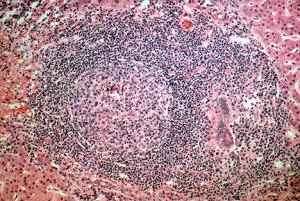
With these two elements, plus an abdominal ultrasound to rule out a blockage of the bile duct, it is generally enough to diagnose the disease. A liver biopsy is now reserved for uncertain cases, for example when the antibodies are negative or an overlap with autoimmune hepatitis is suspected.
What is the treatment?
The first-line treatment is ursodeoxycholic acid (UDCA), also called ursodiol. It is a natural bile acid, very well tolerated and with few side effects, that improves bile flow and protects liver cells. It is used at a dose of 13 to 15 mg per kilogram of body weight per day and must be taken for life. Started early, it slows the progression of the disease and improves survival.
Between six months and one year after starting UDCA, the physician assesses the response using alkaline phosphatase and bilirubin. About one third of people do not achieve an adequate response and need to add a second drug:
- Obeticholic acid: approved as second-line therapy. In the POISE trial it lowered alkaline phosphatase in people with an inadequate response to UDCA. It can worsen itching and is not recommended in advanced cirrhosis.
- Fibrates (bezafibrate): in the BEZURSO trial, adding bezafibrate to UDCA normalized cholestasis tests in a substantial share of patients and also improved itching.
Symptoms are treated separately: itching with medications such as cholestyramine, fatigue with general measures, and osteoporosis and cholesterol as each case requires. In advanced stages, if the disease progresses to liver failure, liver transplant is an excellent option, with very good results in PBC.
What is the prognosis?
Generally good, and it has improved greatly with UDCA. People who respond well to treatment have a normal or near-normal life expectancy. The course is slow and variable, measured over years. The factor that most defines the prognosis is the response to UDCA, so taking the medication at the correct dose, consistently, and keeping up with your medical check-ups is the most important thing you can do.
See also
References
- Lindor KD, et al. Primary Biliary Cholangitis: 2018 Practice Guidance from the American Association for the Study of Liver Diseases. Hepatology. 2019;69(1):394-419.
- European Association for the Study of the Liver. EASL Clinical Practice Guidelines: The diagnosis and management of patients with primary biliary cholangitis. J Hepatol. 2017;67(1):145-172.
- Nevens F, et al. A Placebo-Controlled Trial of Obeticholic Acid in Primary Biliary Cholangitis. N Engl J Med. 2016;375(7):631-643.
- Corpechot C, et al. A Placebo-Controlled Trial of Bezafibrate in Primary Biliary Cholangitis. N Engl J Med. 2018;378(23):2171-2181.
Related articles
Autoimmune hepatitis
Autoimmune hepatitis happens when the immune system attacks the liver itself. What it is, how it is diagnosed and how it is treated with corticosteroids and azathioprine.
Primary sclerosing cholangitis (PSC)
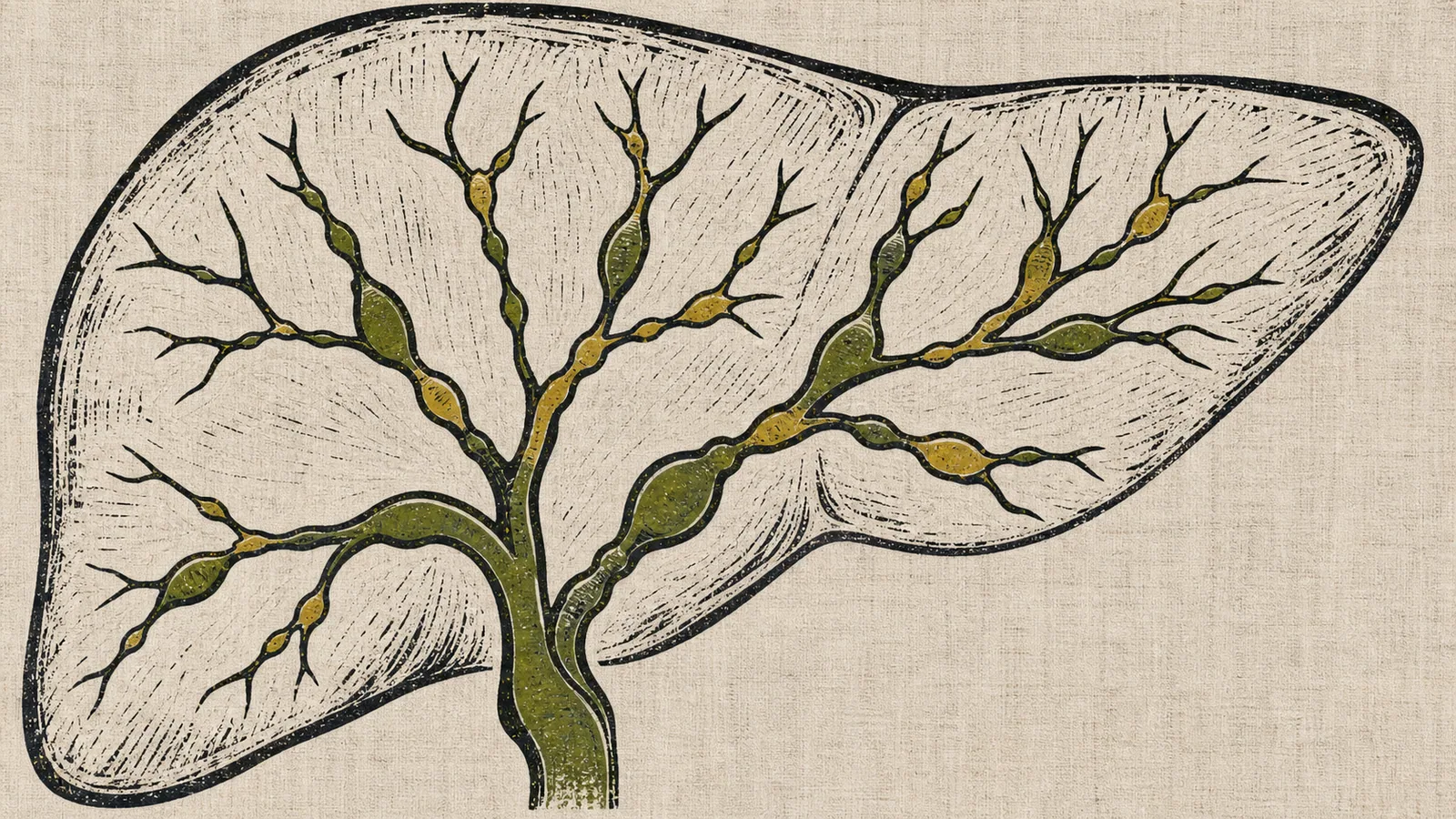
Primary sclerosing cholangitis inflames and narrows the bile ducts, is linked to ulcerative colitis and is diagnosed with MR cholangiography. What it is and how it is managed.
Hepatocellular adenoma: what it means and when it needs treatment
A hepatocellular adenoma is benign, but some may bleed or grow. Learn how hormones, obesity, pregnancy and tumor size affect treatment and follow-up.