Cirrhosis
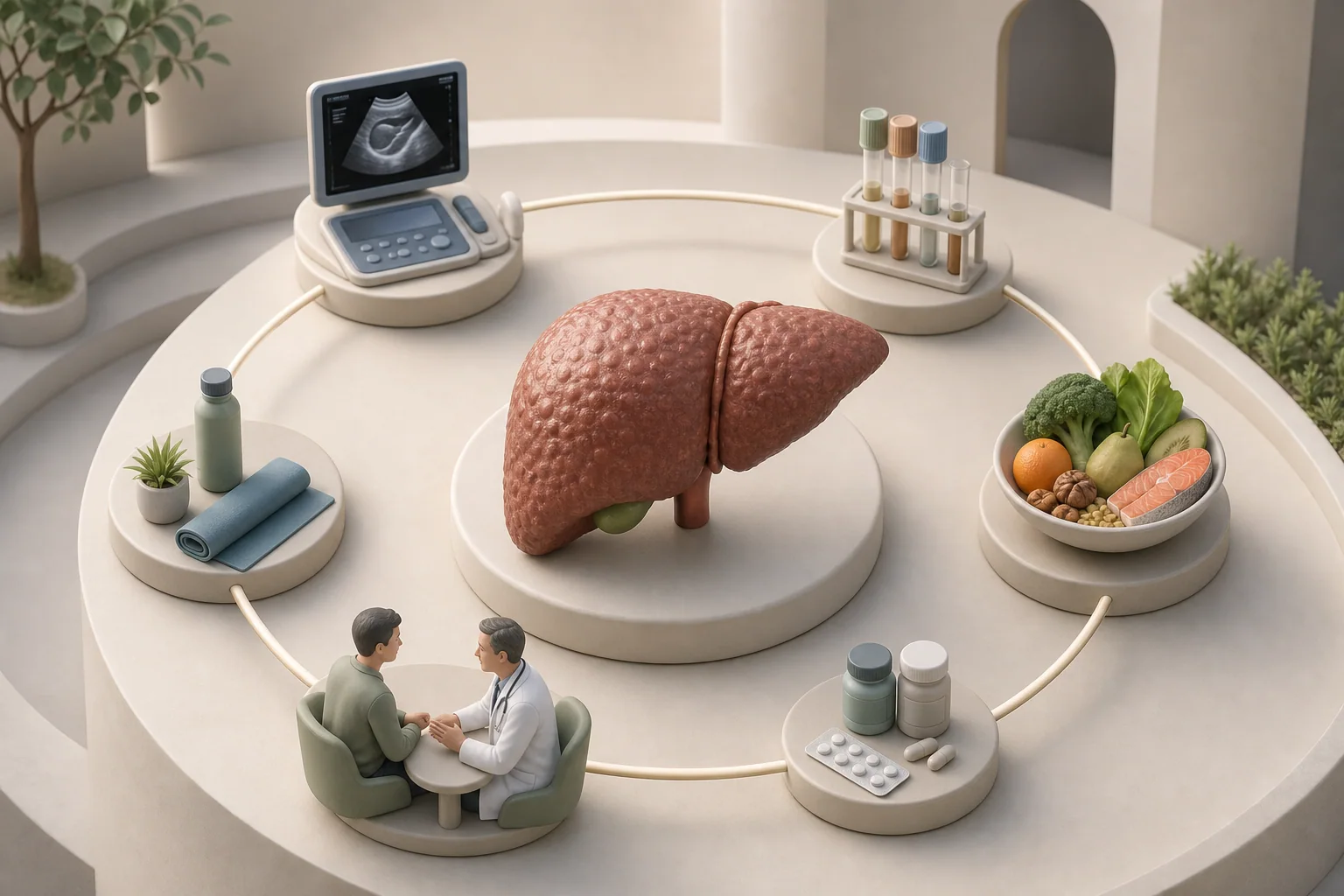
Compensated cirrhosis: follow-up and care
Compensated cirrhosis can remain stable for years. Learn which regular follow-up checks help prevent decompensation and detect liver cancer early.
Causes, complications and treatment of advanced chronic liver damage.
Compensated cirrhosis can remain stable for years. Learn which regular follow-up checks help prevent decompensation and detect liver cancer early.

Verifiable criteria for choosing a hepatologist in Chile: professional registration, training, relevant experience, clinical network, communication and follow-up.
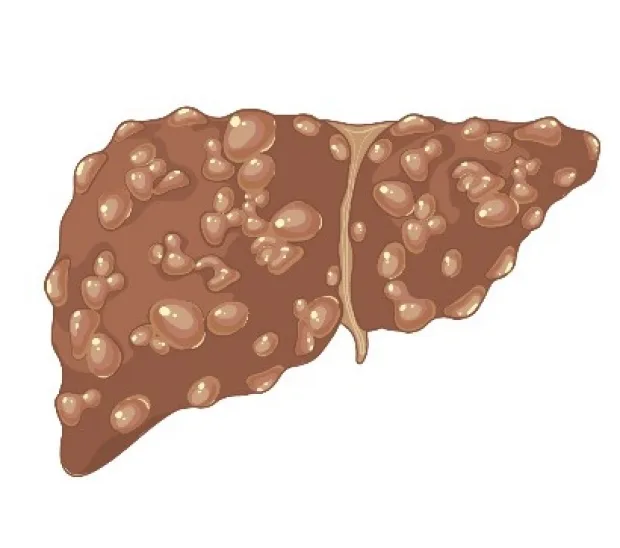
The causes of cirrhosis, from the most to the least common, and why identifying and treating the cause early can stop and even reverse liver damage.
Hepatology is the branch of medicine that studies the liver and bile ducts. What a hepatologist does and when you should see one.
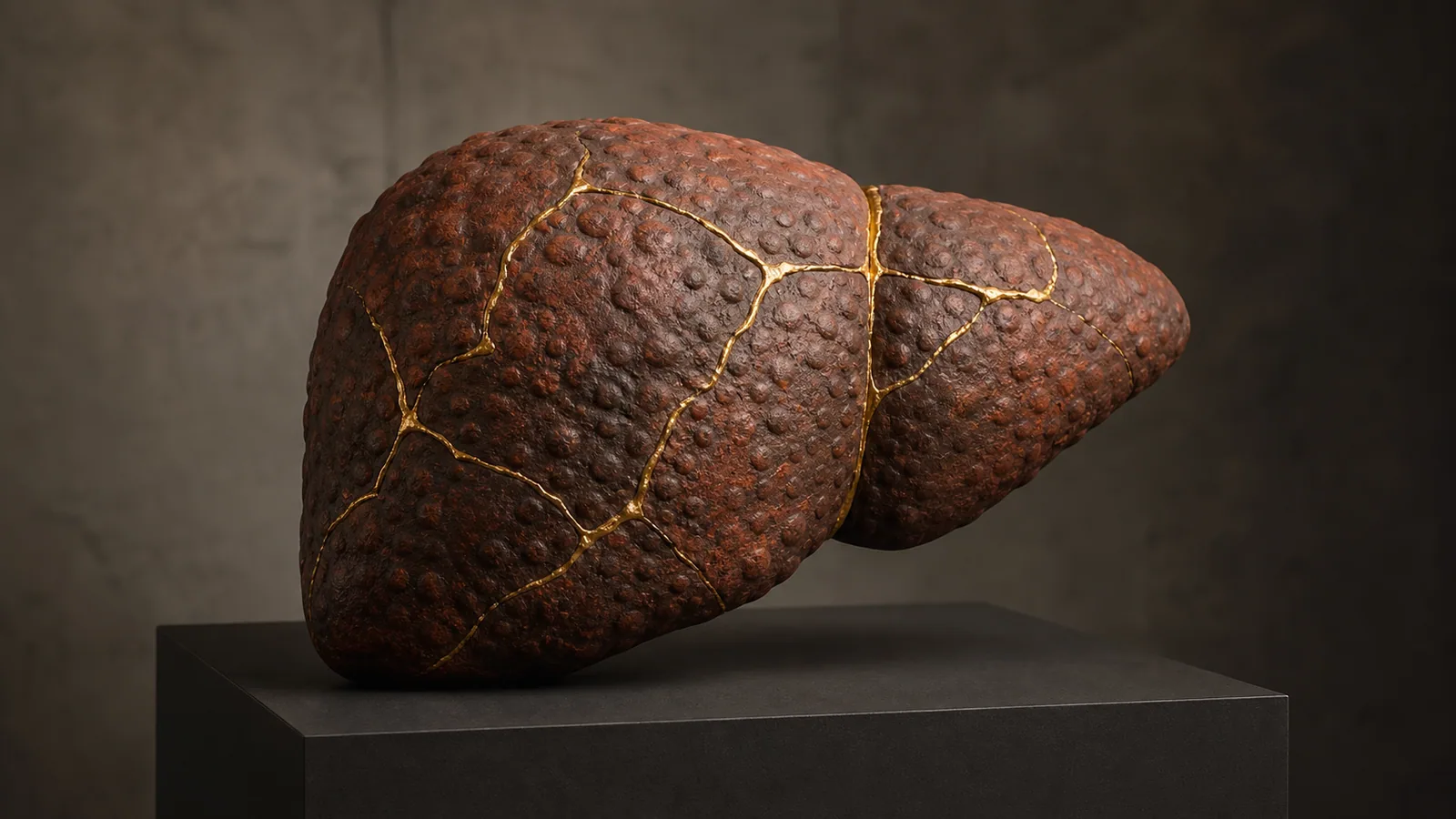
Cirrhosis is advanced scarring of the liver. What causes it today, how it is detected, its complications, and why treating the cause can halt or even reverse the damage.

How to eat with fatty liver or cirrhosis: Mediterranean diet, how much protein, salt in ascites, and why no food actually cleanses the liver.

Alcohol-related liver disease ranges from fatty liver to alcoholic hepatitis and cirrhosis. How much drinking carries risk, and why stopping helps at every stage.
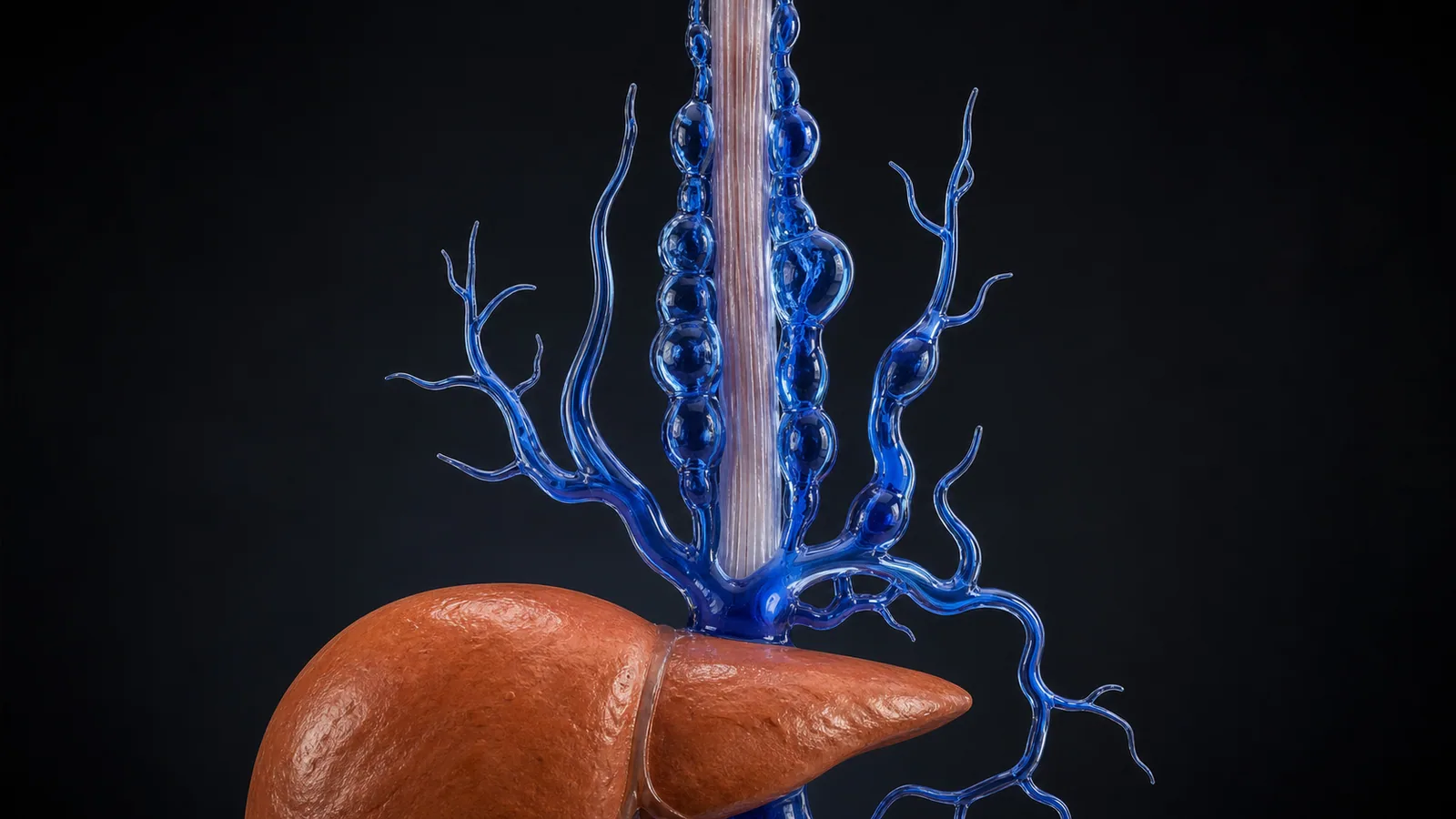
Esophageal varices are dilated veins in the esophagus caused by portal hypertension from cirrhosis. How they are detected, how bleeding is prevented and how they are treated.
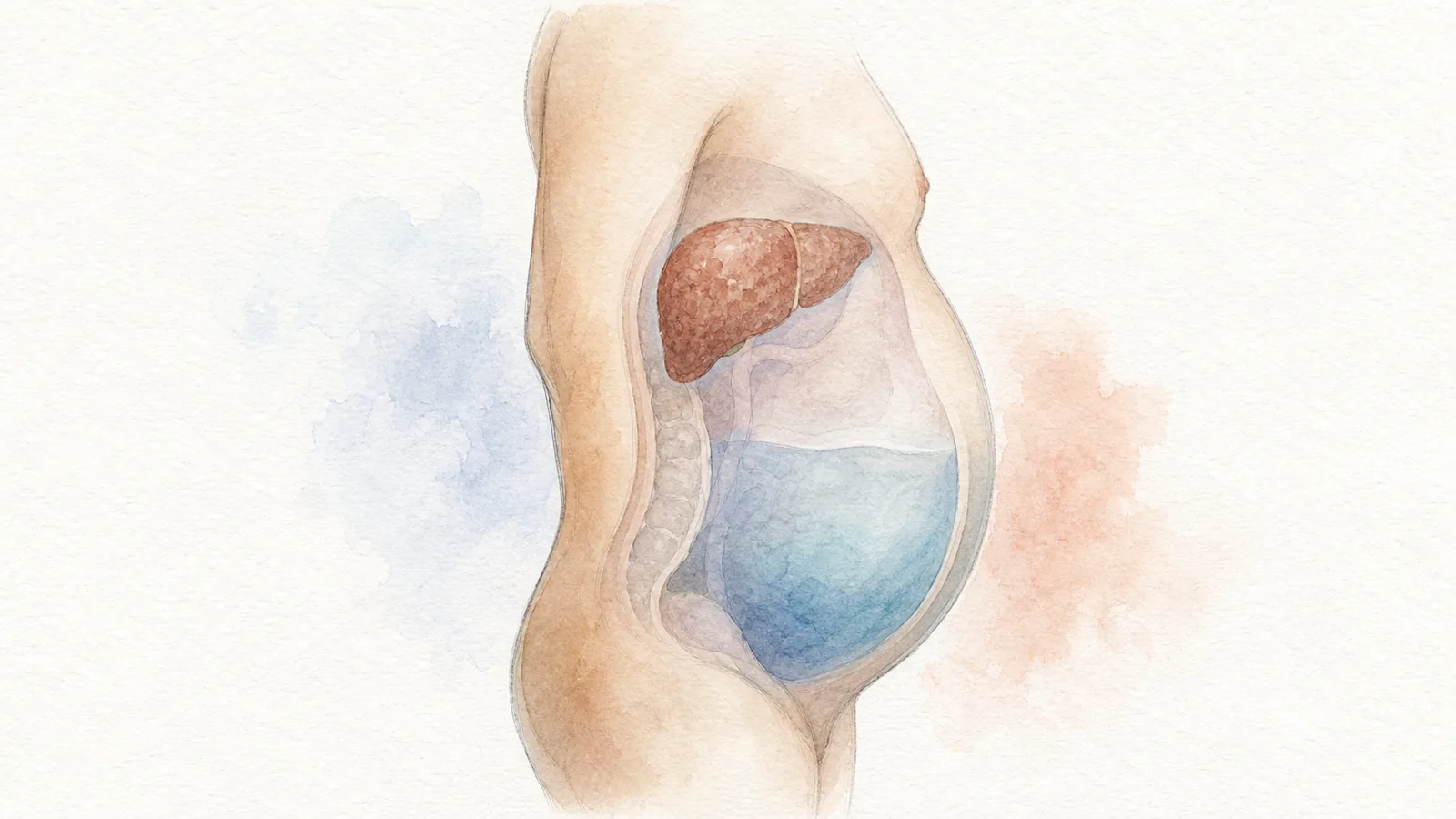
Ascites is a buildup of fluid in the abdomen and the most common complication of cirrhosis. Causes, symptoms, workup and current treatment.
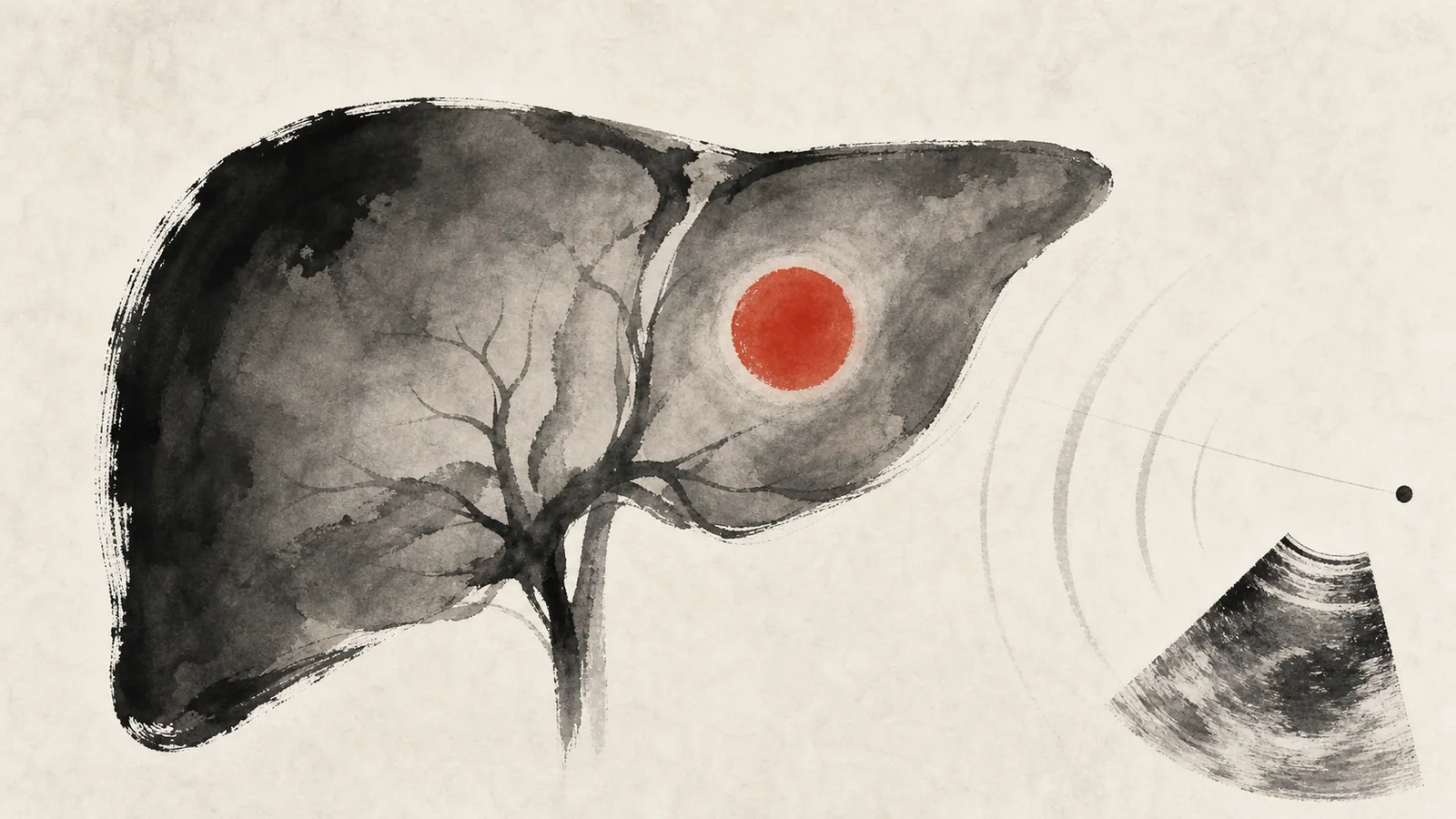
Hepatocellular carcinoma is the most common primary liver cancer. It almost always arises in a cirrhotic liver. How it is prevented, detected and treated.

The MELD score measures the severity of liver disease and ranks the transplant waiting list. What it means, what it is for and how MELD 3.0 is calculated.

The Child-Pugh score estimates the severity of cirrhosis using five variables and sorts patients into classes A, B and C. What each class means.