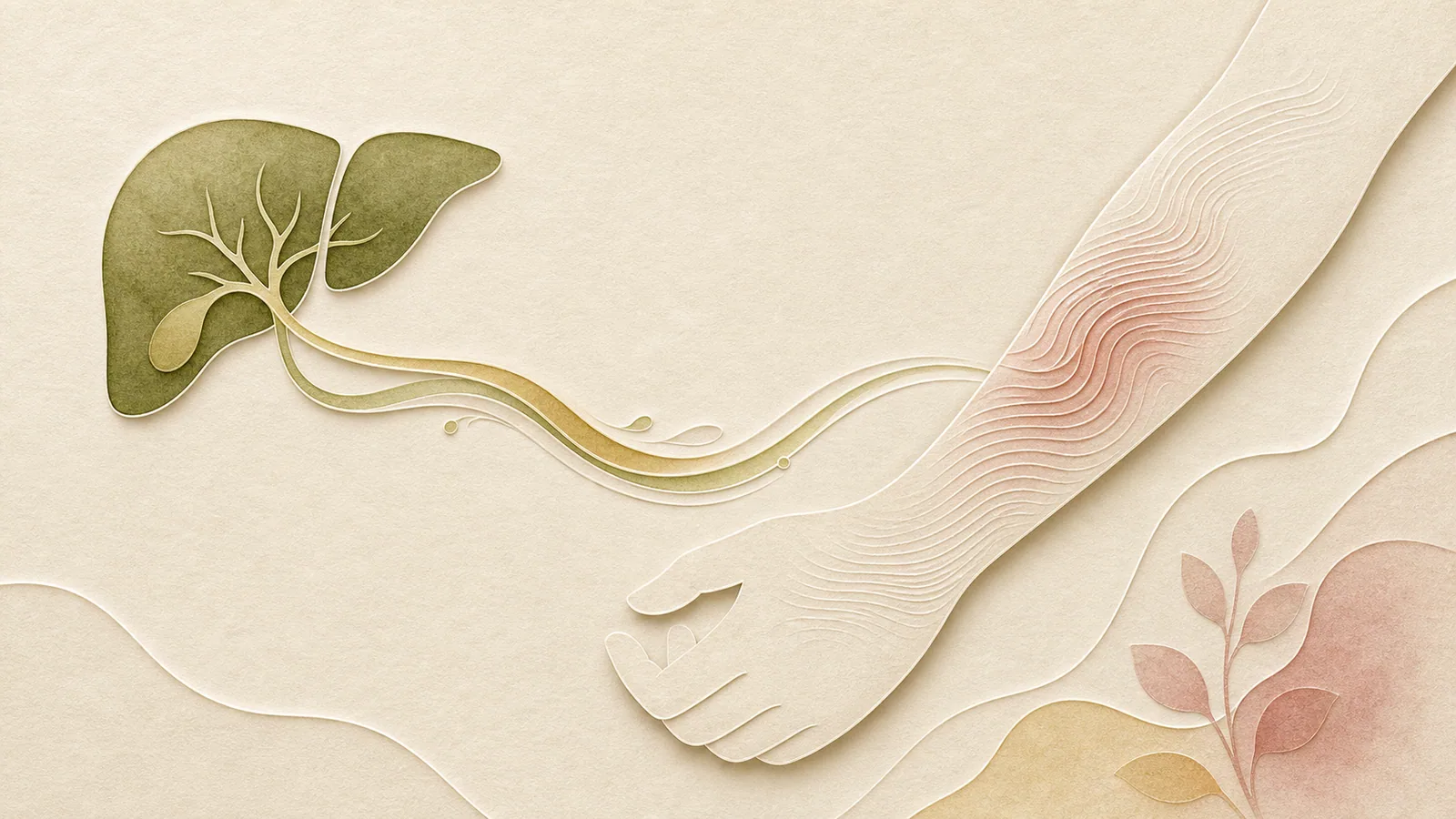
Itching, or pruritus, is the unpleasant sensation that makes you want to scratch. In liver disease it is a common symptom and, in some patients, so intense that it disrupts sleep and daily life. The good news is that there is now a stepwise treatment, with medications that work in most cases and that your doctor can adjust over time.
Liver-related itching is linked above all to cholestatic diseases, meaning those in which the flow of bile toward the intestine is reduced, whether from damage inside the liver or from a blockage of the bile duct. The most frequent causes include primary biliary cholangitis (formerly called primary biliary cirrhosis), primary sclerosing cholangitis, bile duct obstruction (for example from stones or a pancreatic tumor pressing on the common bile duct) and intrahepatic cholestasis of pregnancy.
How does it present?
The itch is usually felt most intensely on the palms of the hands and the soles of the feet, although it can be generalized. It often worsens at night and with heat. Frequently the skin looks normal at first, and scratch marks (excoriations) appear only once the itching has persisted.
It is worth knowing that pruritus does not track the severity of the liver disease: it can be very bothersome even when the liver damage is mild, and it sometimes fades in advanced stages.
Why does it happen?
In these diseases, blood markers of cholestasis are elevated, such as alkaline phosphatase and gamma-glutamyl transferase (GGT). At times bilirubin also rises.
The exact mechanism of cholestatic itch is still not fully understood, and several substances probably act together. For years it was attributed to bile salts building up in the skin, but the link is not that direct. Today a central role is thought to belong to lysophosphatidic acid (LPA), a molecule produced by the enzyme autotaxin, which is elevated in patients with pruritus and whose activity correlates with the intensity of the itch. The body’s own endogenous opioids are also involved, which explains why drugs that block opioids relieve the symptom. Understanding these mediators is what has made today’s treatments possible.
Treatment
Treatment follows a stepwise approach: it starts with the simplest measures and, if they are not enough, moves to the next step. Most patients improve before reaching the more complex options.
Treat the cause
Whenever possible, the first step is to treat the underlying disease. When there is a bile duct obstruction (from a stone or a tumor), relieving that blockage, through drainage or a biliary stent, usually improves the itch markedly. In cholestasis of pregnancy, the itching disappears after delivery.
General measures
These measures do not replace drug treatment, but they help:
- Keep the skin well moisturized with emollient creams.
- Use lukewarm rather than very hot water in the shower.
- Avoid excessive friction when drying off.
- Keep nails short and wear loose cotton clothing.
Antihistamines, often used out of habit, generally do not work for cholestatic itch, apart from their sedating effect for sleep.
First step: cholestyramine
Cholestyramine is a resin that traps bile salts in the intestine and prevents their reabsorption. It is the initial treatment recommended by the guidelines, used at doses of 4 to 16 g per day. It can cause digestive discomfort and constipation. One key point: cholestyramine binds other medications, including ursodeoxycholic acid, so it must be taken at least 4 hours apart from any other drug.
Second step: rifampicin
Rifampicin, at doses of 150 to 600 mg per day, is very effective for itching that does not respond to cholestyramine. It works by activating liver enzymes that help clear the substances causing the itch. It requires medical monitoring, because in a minority of patients it can be liver-toxic (checked with blood tests) and it alters the effect of other medications.
Third step: naltrexone
Oral naltrexone is an opioid antagonist that reduces itching by blocking the itch signal mediated by endogenous opioids. It should be started at low doses and under the care of an experienced physician, since it can trigger a withdrawal-like syndrome, especially with the first doses.
Fourth step: sertraline
Sertraline, an antidepressant in the selective serotonin reuptake inhibitor (SSRI) group, at doses of around 75 to 100 mg per day, has shown benefit in cholestatic itch and is an option when the earlier steps fail or are not tolerated.
Other options in specific settings
- Bezafibrate: this fibrate improves both the itch and the markers of cholestasis. In the randomized FITCH trial, it cut itching in half in about 45% of patients with primary biliary cholangitis and sclerosing cholangitis. It is a reasonable option in these diseases, although its use for pruritus is still off-label.
- Ileal bile acid transporter (IBAT) inhibitors: drugs such as odevixibat and maralixibat block the reabsorption of bile acids in the intestine. They are approved mainly for the itch of certain genetic cholestatic diseases of childhood and are being studied in adults.
Itching that responds to nothing
When all of the above fails, there are exceptional options in specialized centers: ultraviolet-light phototherapy, nasobiliary drainage, and albumin liver dialysis (the MARS system), which can have a marked though temporary effect. Intractable itching that does not yield to any treatment and ruins quality of life is one of the accepted indications for liver transplant, even when liver function is still good.
When to seek care
See your doctor if the itching is persistent, worsens at night, or comes with jaundice (yellowing of the skin or eyes), dark urine or pale stools. If you are pregnant and have intense itching on the palms and soles, especially in the third trimester, seek care promptly, because cholestasis of pregnancy needs specialized monitoring. Do not use rifampicin, naltrexone or sertraline on your own: all of them require a prescription and medical monitoring.
See also
References
- European Association for the Study of the Liver. EASL Clinical Practice Guidelines: The diagnosis and management of patients with primary biliary cholangitis. J Hepatol. 2017;67(1):145-172.
- de Vries E, et al. Fibrates for Itch (FITCH) in Fibrosing Cholangiopathies: A Double-Blind, Randomized, Placebo-Controlled Trial. Gastroenterology. 2021;160(3):734-743.
- Düll MM, Kremer AE. Management of Chronic Hepatic Itch. Dermatol Clin. 2018;36(3):293-300.
- De Vloo C, Nevens F. Cholestatic pruritus: an update. Acta Gastroenterol Belg. 2019;82(1):75-82.
- European Association for the Study of the Liver. EASL Clinical Practice Guidelines on genetic cholestatic liver diseases. J Hepatol. 2024;81(2):303-325.
Related articles
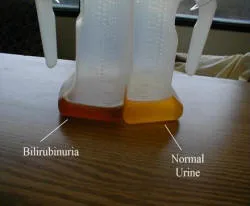
Dark urine (choluria): what it means and when to worry
Choluria is dark, tea- or cola-colored urine caused by bilirubin in the urine. It is often a sign of liver or bile duct disease. When to see a doctor.
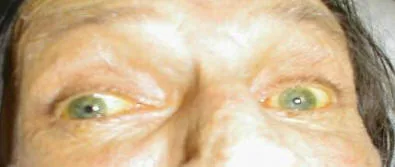
Jaundice: why the skin and eyes turn yellow
Jaundice is the yellow color of the skin and eyes from high bilirubin. Causes, signs like dark urine and pale stools, and when to seek urgent care.
Hepatic encephalopathy
Hepatic encephalopathy is a decline in brain function from toxins a diseased liver fails to clear. How to recognize it, what triggers it and how it is treated.