On this page
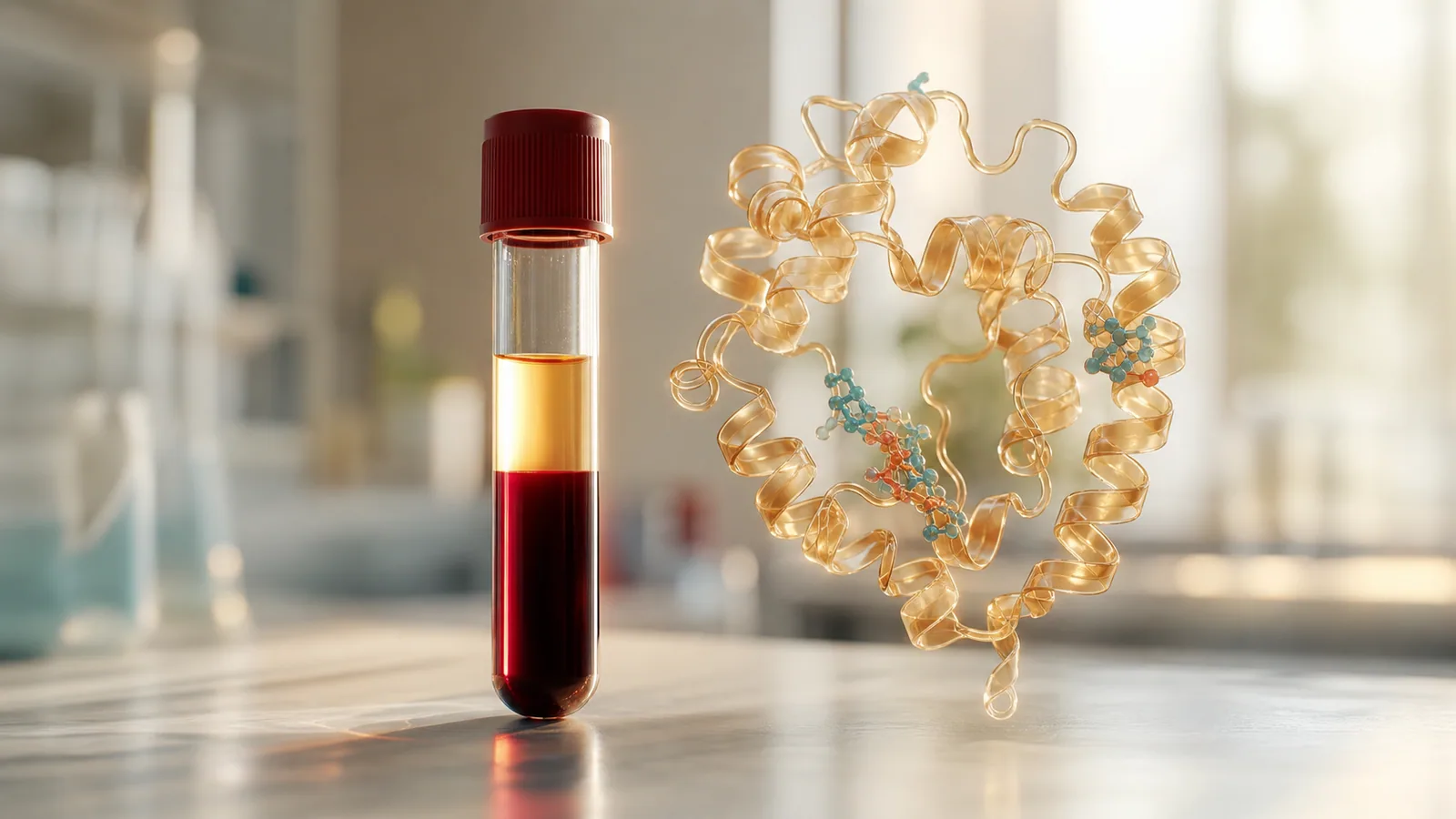
Albumin is the most abundant protein in the blood, and only the liver makes it. That is why measuring albumin in a blood test is a good way to estimate the liver’s synthetic function, meaning its ability to produce the proteins the body needs. The normal value in adults is around 3.5 to 5 g/dL.
If you were told your albumin is low, the first thing to know is that this result alone is not enough to make a diagnosis. Low albumin (hypoalbuminemia) appears in advanced liver disease, but also in problems of nutrition, of the kidney or of the intestine. Your doctor will interpret the value together with your other tests and your overall clinical situation.
What is albumin and what does it do?
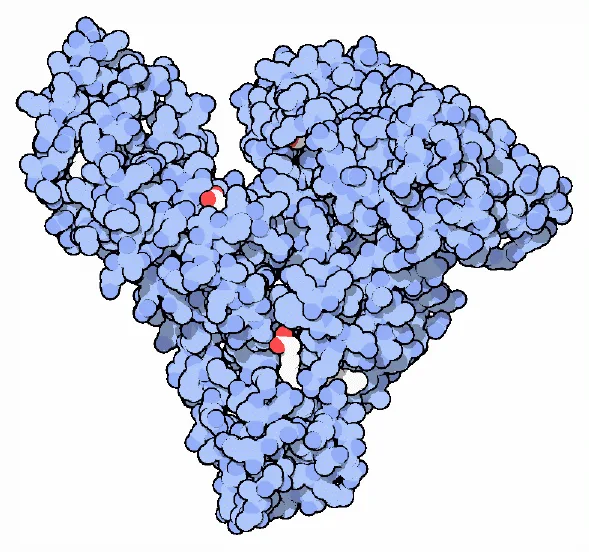
Albumin performs several tasks in the body. The best known is maintaining oncotic pressure, that is, keeping fluid inside the blood vessels so it does not leak into the tissues. It also carries hormones, medications, bilirubin and other substances, and it has antioxidant and protective functions.
The body contains about 500 g of albumin, and the liver produces roughly 15 g a day. When there are losses and the liver works well, that output can double. Albumin’s half-life in the blood is about 20 days, so its level reflects liver function over weeks rather than from one day to the next.
Why does albumin drop in liver disease?
In advanced chronic liver disease, especially in long-standing cirrhosis, the liver loses the ability to make enough albumin. That is why a persistently low albumin is one of the signs that liver function is impaired.
There is an important detail that research in recent years has clarified: in cirrhosis, not only does the amount of albumin fall, but the molecule that remains also works less well. The inflammation and oxidative stress that come with the disease modify albumin and reduce its capacity to transport substances and to protect. This has led to the concept of an “effective albumin” that is lower than the number the test reports.
Albumin and ascites
Low albumin plays a direct part in the appearance of ascites, the buildup of fluid in the abdomen, and in edema (swelling) of the legs. With less albumin, the pressure that keeps fluid inside the vessels drops, and that fluid tends to move into the abdomen and tissues. In cirrhosis there is also portal hypertension (increased pressure in the liver’s veins), so ascites almost always has more than one cause.
Because of its role in fluid balance, albumin is not only a marker: it is also used as a treatment. In patients with cirrhosis, albumin is given intravenously in specific situations, such as after removing large volumes of fluid from the abdomen (large-volume paracentesis), in spontaneous bacterial peritonitis and in hepatorenal syndrome. Recent studies also suggest that long-term albumin may improve the course of some patients with cirrhosis and ascites, although this indication is still being defined. The decision is always made by your medical team.
Other causes of low albumin
A drop in albumin is not unique to liver disease. The most frequent causes are:
- Cirrhosis and advanced liver disease: the liver makes less albumin.
- Losses through the kidney (nephrotic syndrome): the kidney lets albumin escape into the urine. It is usually accompanied by swelling and high cholesterol.
- Malnutrition and absorption problems: when protein intake is insufficient or the intestine does not absorb nutrients well, as in celiac disease or inflammatory bowel disease.
- Inflammation and chronic illness: infections, cancer, heart failure or any serious disease can lower albumin, partly because the liver prioritizes making other proteins.
- Losses through the intestine or from extensive burns.
For this reason, when albumin is low the doctor checks kidney function, the urine, nutritional status and looks for signs of inflammation before attributing it to the liver.
Albumin in prognostic scores
Albumin is part of the Child-Pugh classification, one of the most widely used tools to estimate the severity and prognosis of cirrhosis. This score combines five variables: albumin, bilirubin, prothrombin time (or INR), and the presence of ascites and hepatic encephalopathy. The lower the albumin, the more points it adds and the worse the category. The classification sorts patients into three groups (A, B and C) that guide decisions about risk, including evaluation for a liver transplant.
High albumin levels
No liver diseases raise albumin. A slightly high value on a routine test usually means nothing abnormal and is common in young, well-nourished people, or from dehydration when the blood is more concentrated.
See also
References
- Pugh RN, Murray-Lyon IM, Dawson JL, Pietroni MC, Williams R. Transection of the oesophagus for bleeding oesophageal varices. Br J Surg. 1973;60(8):646-649.
- European Association for the Study of the Liver. EASL Clinical Practice Guidelines for the management of patients with decompensated cirrhosis. J Hepatol. 2018;69(2):406-460.
- Caraceni P, et al. Long-term albumin administration in decompensated cirrhosis (ANSWER): an open-label randomised trial. Lancet. 2018;391(10138):2417-2429.
- Bernardi M, et al. Albumin in decompensated cirrhosis: new concepts and perspectives. Gut. 2020;69(6):1127-1138.
- Garcia-Martinez R, et al. Albumin: pathophysiologic basis of its role in the treatment of cirrhosis and its complications. Hepatology. 2013;58(5):1836-1846.
Related articles
Elevated liver enzymes: causes and evaluation
Elevated liver enzymes are common and do not always mean serious damage. Learn about their causes, diagnostic tests and signs requiring prompt care.
Hepatitis B tests: HBsAg, anti-HBs and anti-HBc
HBsAg, anti-HBs and anti-HBc distinguish hepatitis B infection, immunity and vaccination. Learn what the most common blood test patterns mean.
FIB-4 and FibroScan: measuring liver fibrosis
FIB-4 and FibroScan estimate liver fibrosis without a biopsy. Learn what each test measures, how results are used and when specialist care is needed.